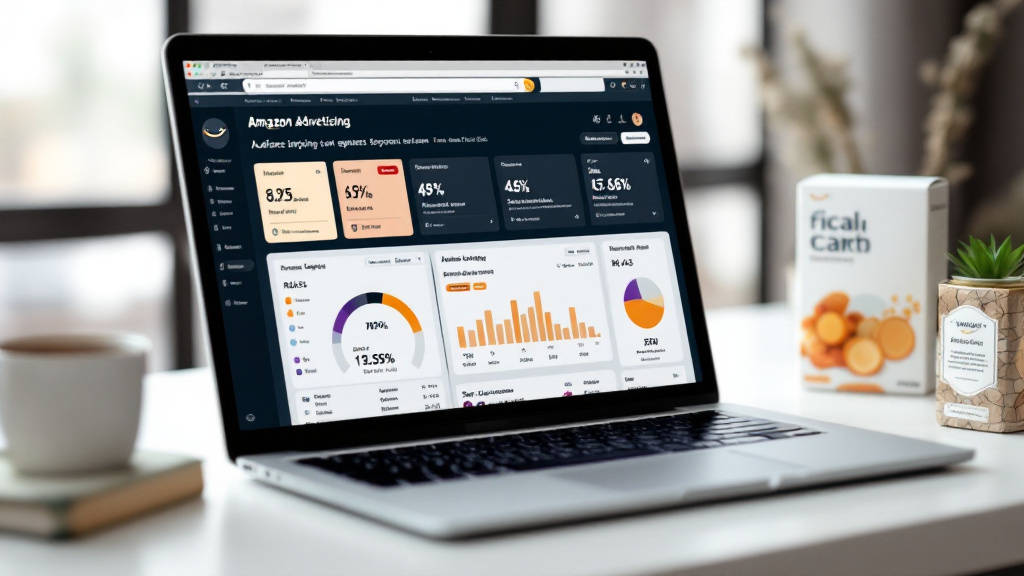
Amazon AMC Data Is Separating Winning Brands From Losing Ones
Amazon Marketing Cloud gives brands full-funnel attribution data most agencies never use. Here is what your partner should be doing with it.
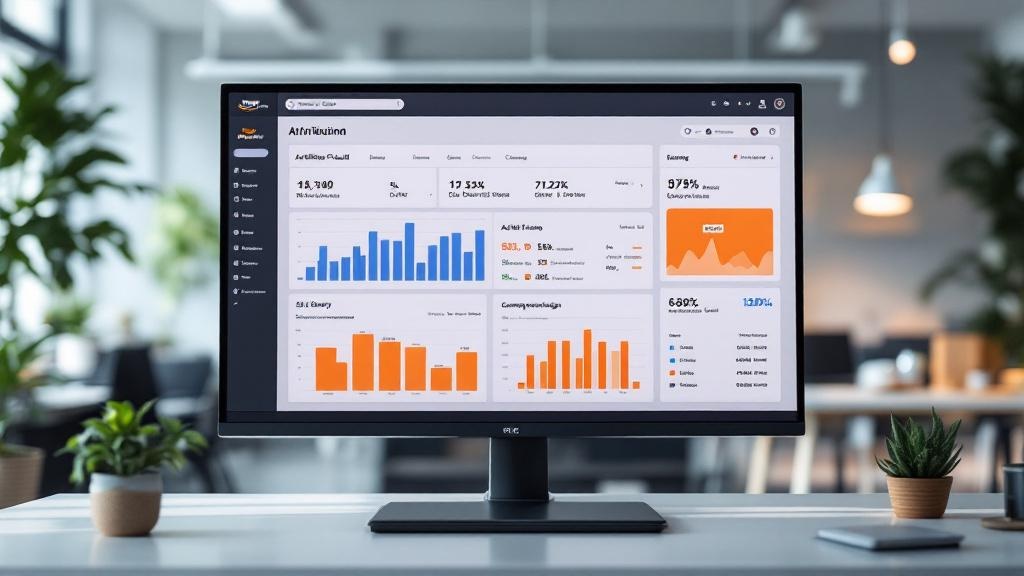
Most brands running Amazon ads are flying blind on attribution.
Amazon Marketing Cloud has been available to sellers for several years now, but the gap between brands that use it correctly and those that ignore it is widening fast. AMC is a clean room data environment that lets advertisers run SQL queries across their full Amazon dataset, connecting sponsored ads, DSP impressions, search behavior, and purchase events at the household level. The brands doing this well are making fundamentally better budget decisions. The ones ignoring it are paying 30 to 50 percent more per converted customer without knowing it.
What AMC Actually Reveals That Standard Reporting Hides
Amazon's native campaign reporting shows you last-touch attribution. A customer sees your Sponsored Product ad and buys. Amazon reports that as a Sponsored Products conversion. Clean. Simple. Wrong.
The real path looked like this: DSP display impression on day one, Sponsored Brand video on day four, competitor search on day nine, your Sponsored Product on day eleven, purchase. Last-touch reporting credits only the final ad. AMC shows you the entire sequence. That distinction is worth real money when you are allocating six or seven figures across ad types.
AMC also surfaces new-to-brand versus repeat purchase rates by campaign, path-to-conversion length by product category, and overlap between your audiences and competitor purchasers. These are not vanity metrics. They are the inputs that determine whether your DSP spend is building a customer base or just retargeting people who would have bought anyway. Amazon's own documentation on AMC outlines the query capabilities available, but understanding how to apply them to CPG buying cycles requires experience most brand-side teams do not have.
The Three Questions Your Agency Should Be Answering With AMC
If your current Amazon partner cannot answer these three questions from AMC data, that is a signal worth taking seriously.
- What is your true new-to-brand customer acquisition cost by channel? Not blended ROAS. Not total ad spend divided by total orders. The actual cost to bring in a net new household, segmented by whether it came from DSP, Sponsored Brands, or Sponsored Products. This number tells you whether your growth is real or whether you are subsidizing repeat buyers at premium CPCs.
- What does your multi-touch path look like for high-LTV customers versus one-time buyers? CPG brands with subscription or repeat-purchase products need to know if certain ad sequences are better at acquiring customers who come back. AMC makes this segmentation possible. Most agencies never run it.
- Where is your DSP spend overlapping with organic search? Paying DSP CPMs to reach customers who were already searching your brand name is one of the most common and expensive mistakes in Amazon advertising. AMC overlap analysis catches it in a week. Without it, you can burn that budget for months.
Why This Requires More Than Technical Access
Getting AMC access is not the hard part. Running queries that produce actionable budget decisions is. The analysis requires someone who understands SQL, Amazon's data schema, CPG purchase cycle dynamics, and how to translate raw query output into campaign restructuring decisions. That is a specific combination of skills that most brand teams do not have internally, and that most performance-only Amazon agencies treat as an add-on rather than a core part of how they manage accounts.
The best operators use AMC as a standing reporting layer, not a one-time audit. They run new-to-brand attribution pulls monthly, adjust DSP flight budgets based on path-length data, and use audience overlap reports to identify white space before competitors do. Amazon's transparency initiatives are expanding the data available inside AMC, which means the advantage of using it correctly is growing, not shrinking.
What Separates Good Amazon Partners From Average Ones on AMC
There are a few clear markers that separate agencies doing this well from those treating AMC as a checkbox.
- They run AMC queries before making any significant budget reallocation, not after. The data informs the decision, not the other way around.
- They connect AMC findings directly to creative and targeting changes. Finding that a 14-day multi-touch path converts at twice the rate of a 3-day path means something for how they structure DSP retargeting windows.
- They share the actual query outputs with brand teams, not just summary slides. Transparency on methodology is how you verify the analysis is real and not retrofitted to justify existing spend.
- They have built custom dashboards that pull AMC data into a format your team can monitor without running SQL yourself. The insight should be accessible; the complexity should be handled by your partner.
The Cost of Waiting on AMC Adoption
Brands doing $75K or more per month on Amazon are spending enough that attribution errors compound quickly. A 20 percent misallocation between DSP and Sponsored Products on a $150K monthly ad budget is $30K per month going to the wrong channel. AMC does not fix that automatically, but an experienced operator using AMC data correctly can identify and correct that misallocation inside 60 days. Without it, you are relying on Amazon's reported ROAS numbers, which are structurally biased toward showing every channel as effective because every channel gets last-touch credit when it closes a sale.
The brands scaling efficiently on Amazon in 2025 are not spending more. They are spending smarter, because they have partners who treat data infrastructure as a competitive advantage rather than an afterthought. AMC is the clearest example of where that gap is showing up in real dollars.
Running $75k+/month on Amazon or TikTok Shop? Book a free 30-minute audit call and we'll show you exactly where the margin is leaking.
Book a Free Call →More From the Eleviam Blog
Amazon AMC Data Reveals What Separates Scaling CPG Brands From Stalling Ones
September 13, 2026
Amazon CPC in 2026: What Your Brand Can Actually Afford Per Click
September 12, 2026