Starting August 24, 2026, YouTube counts a view the moment playback begins, which means raw view totals will inflate overnight and tell brands almost nothing about whether anyone actually watched their product being promoted.
For CPG brands running creator campaigns on YouTube, TikTok, or any cross-platform mix, this change is not a minor platform update. It is a structural shift in what the most widely reported metric actually measures. Brands that keep structuring creator contracts around view thresholds are about to pay for exposure data dressed up as attention data.
Understanding what changed, what YouTube preserved inside Analytics, and what a well-structured creator partnership now requires is the difference between a marketing budget that builds brand equity and one that funds inflated vanity numbers.
What YouTube Actually Changed
YouTube's previous long-form standard required a viewer to watch for a meaningful duration before registering a view. Shorts already used a more permissive, exposure-based definition. Starting August 24, YouTube unified those two systems. Playback begins, a view is counted.
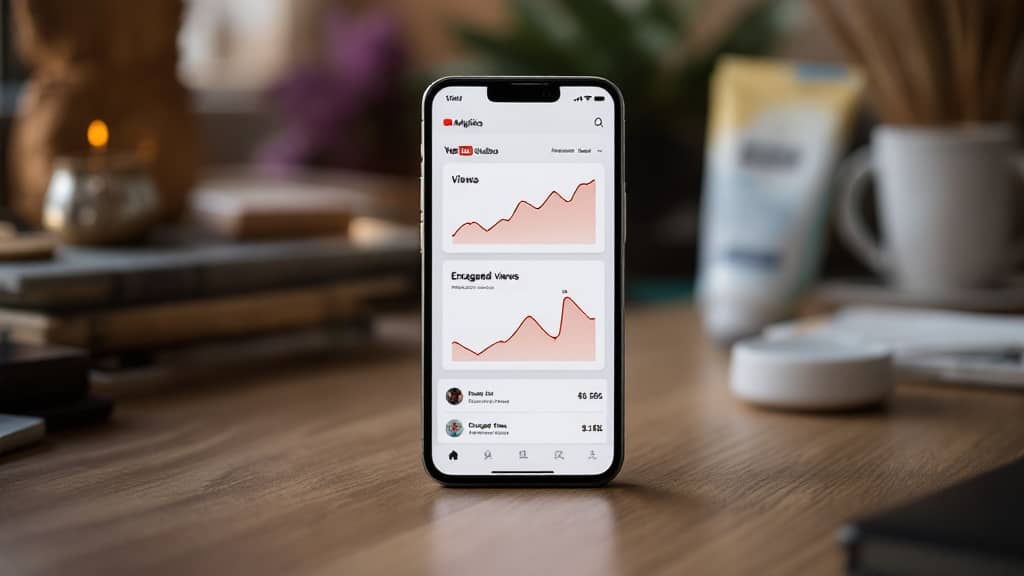
YouTube has preserved the older methodology inside Analytics under the label engaged views, defined as views where the viewer stayed past the opening seconds. Creator earnings and YouTube Partner Program eligibility continue to depend on engaged views and engaged watch hours, not the new public-facing total.
So YouTube has created a two-layer system. The public view count describes reach, who started watching. Engaged views describe attention, who stayed. For brands evaluating creator performance, the second number is the one that matters. The first number is now closer in meaning to a TikTok or Instagram view, which is to say it confirms the content appeared on a screen.
Why This Creates Real Risk for CPG Brand Deals
Creator contracts in CPG are frequently structured around CPM guarantees or minimum view thresholds. A deal promising 500,000 views at a fixed CPM is a very different commitment depending on which definition of view applies.
Two sponsored videos can each reach five million public views under the new standard while representing entirely different levels of audience attention. One video might convert four million of those into engaged views. Another might convert one million. Publicly, the numbers look identical. Inside the analytics dashboard, the performance gap is massive.
This is precisely the kind of measurement ambiguity that benefits the party selling reach and disadvantages the brand paying for results. Brands that do not specify which metric governs performance in their creator agreements are essentially writing a blank check against a number that is about to get significantly larger and significantly less meaningful.
What a Sophisticated Brand Partner Should Be Doing Right Now
A capable partner is not waiting to see how inflated the new view totals look. They are already updating how creator performance is evaluated and how contracts are written.
Specifically, brands should expect their partners to:
- Anchor creator deal terms to engaged views and engaged watch hours, not public view counts, so performance standards reflect actual attention rather than exposure.
- Track view-to-engaged-view ratios as a quality signal across creators, identifying which partners consistently hold audiences versus which drive passive impressions.
- Align YouTube creator investment with platform-specific conversion data, connecting content exposure to downstream behavior on Amazon or TikTok Shop rather than treating view counts as standalone success.
- Re-evaluate CPM benchmarks now that cross-platform view definitions are converging, since the same dollar buys different levels of attention depending on where the view originated.
An advice-only consultant will tell a brand to ask creators for engaged view screenshots. An agency billing on a percentage of ad spend has no structural incentive to push back on inflated reach metrics, because bigger numbers justify bigger budgets. The distinction matters when a brand is deciding who should be managing its creator investment and marketplace growth together.
The Connection to Marketplace Performance Is Direct
For CPG brands scaling on Amazon and TikTok Shop, creator content is increasingly a traffic driver, not just a brand awareness play. TikTok Shop in particular has compressed the funnel so that a creator video can move product within hours of posting. That creates a much cleaner feedback loop between content performance and actual sales data.
When a partner manages both the creator side and the TikTok Shop operation as a single system, they can see which content drives attributed revenue, not just which content accumulates views. That is what separates a brand that treats creator spend as a cost center from one that treats it as a measurable growth channel.
The same logic applies to Amazon. A brand running creator campaigns that drive external traffic to Amazon listings needs a partner who can connect those content signals to listing performance, conversion rates, and total advertising cost of sale. Optimizing each channel in isolation means paying for views on one platform while leaving money on the table on another.
The Metric That Will Separate Good Partners From Expensive Ones
YouTube's change accelerates a problem that already existed. Views across TikTok, Instagram, YouTube Shorts, and long-form video have always described different things. Now that YouTube long-form is aligning with the more permissive standard, the view count as a performance metric is effectively broken as a standalone measure.
Engaged views, watch time, click-through rate, and attributed revenue are the metrics that distinguish a creator investment that built something from one that simply burned the budget. Brands should expect their partners to speak fluently in those terms, to build creator contracts around those standards, and to connect content performance directly to marketplace results.
If the partner leading your creator strategy cannot connect a YouTube or TikTok view to a measurable outcome on the platforms where your product actually sells, that is a gap worth closing before the next campaign cycle.
Want to see exactly where your brand stands? Get the free CPG Amazon Benchmark Report and see your margins, ad costs, conversion, and fees benchmarked against the real state of Amazon in 2026.
Get the Benchmark Report →