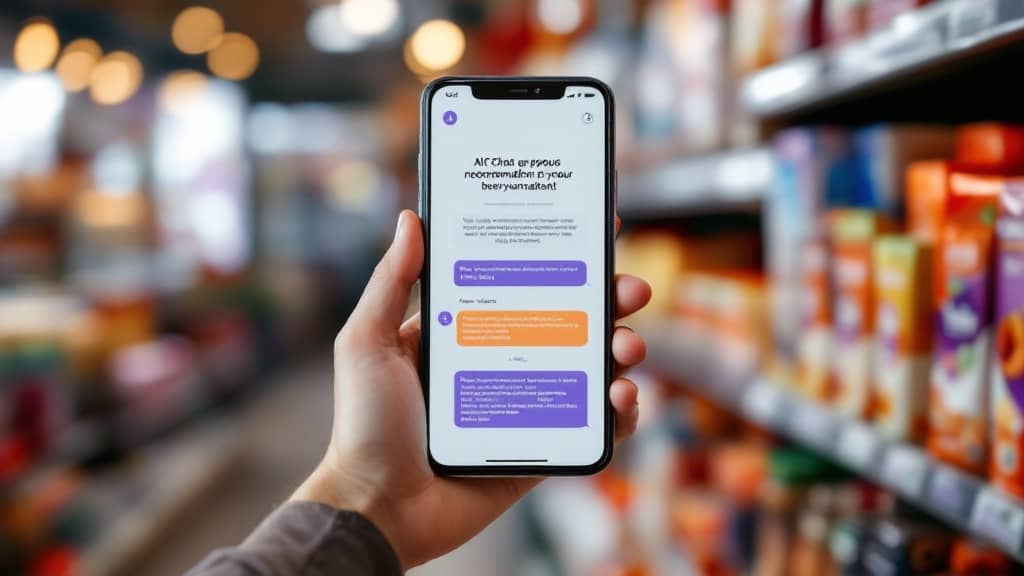
More shoppers now ask an AI assistant what to buy instead of scrolling a page of results, and a growing number let the assistant do the buying. The brands those assistants recommend are the ones whose product information is complete, consistent, and easy for a machine to read. Amazon says Rufus, its shopping assistant, helped over 300 million customers in 2025 research, compare, and buy products on the Amazon Shopping app and website, and in May 2026 it brought Rufus and Alexa+ together as Alexa for Shopping, an assistant that can track prices, buy items at a target price, reorder essentials, manage a cart, and shop from other online stores across the web.
Amazon is not alone. Google says its agentic checkout feature buys things on the customer's behalf directly on a merchant's website at the customer's direction, and merchants can add a checkout button to eligible product listings in AI Mode in Google Search and in Gemini. OpenAI's Agentic Commerce Protocol lets ChatGPT act as the customer's AI agent at checkout. For a CPG brand, the question is no longer whether AI shopping matters. It is whether the information these assistants read about your products is right, and whether your partner is managing it.
What Agentic Shopping Means for CPG Brands
An AI shopping assistant answers questions. An agentic one also acts: it builds the cart, watches the price, and places the order. That matters most for the purchases CPG brands depend on. Among Amazon's own examples of scheduled actions in Alexa for Shopping is restocking regular household items like pet food, paper towels, and detergent. When a reorder is delegated, the brand choice can happen inside the assistant, and the inputs to that choice are your listing, your reviews, your price, and whether you are in stock.
Amazon also says its assistant can suggest alternatives if items are unavailable. A stockout used to cost you a sale. When an assistant is handling the reorder, it can cost you the customer.
The Content Signals AI Assistants Actually Read
The platforms say plainly what their assistants use. When Amazon launched Rufus, now Alexa for Shopping, it said the assistant would generate answers based on listing details, customer reviews, and community Q&As. OpenAI tells merchants that a product feed carries identifiers, descriptions, pricing, inventory, media, and fulfillment options, that required fields ensure price and availability display correctly, and that recommended attributes such as rich media, reviews, and performance signals improve ranking, relevance, and user trust. Google says Merchant Center remains the central hub for product data on its surfaces, and that the best preparation is making all of that data, from product feeds to brand assets, as robust and up to date as possible.
For a CPG brand, that turns into a short list of things that have to be right:
- Complete, structured attributes: ingredients, sizes, counts, flavors, certifications, and use cases filled in the fields built for them, not buried in a paragraph of copy.
- Specific reviews and answered questions: an assistant summarizing what customers say can only be as useful as what customers wrote. What the evidence shows about reviews and UGC covers how to build that inside the rules.
- Accurate price and availability: the fields every platform treats as required.
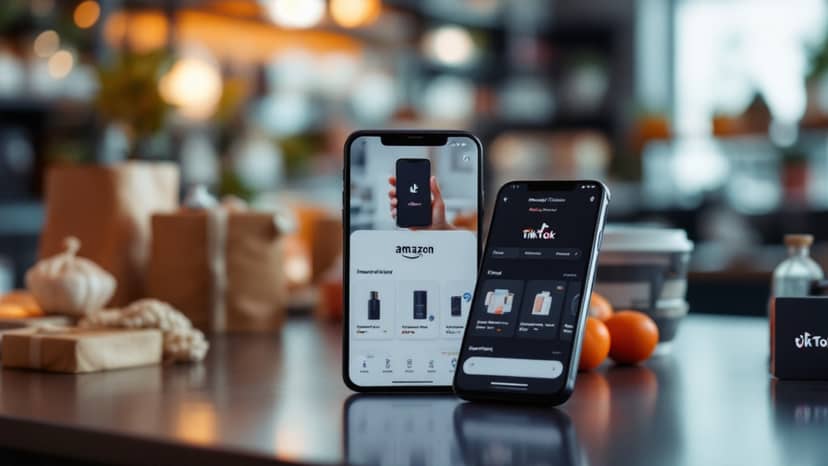
- Consistent claims everywhere you sell: your Amazon listing, your TikTok Shop product page, your own site, and any product feed should describe the product the same way. TikTok Shop management for CPG brands should reinforce your Amazon content, not contradict it.
Crawler Access Is a Business Decision
Outside the marketplaces, AI assistants also learn about your brand from your own website, and each AI company runs more than one crawler. OpenAI, for example, documents that sites that opt out of its OAI-SearchBot will not be shown in ChatGPT search answers, though they can still appear as navigational links, while disallowing GPTBot signals that a site's content should not be used to train its models. Blocking one is not the same as blocking the other. Many brand teams have never looked at their robots.txt file. A partner responsible for your discoverability should know what yours allows, and why.
Price, Stock, and Who Is Selling Your Product
An assistant that can show a shopper up to a full year of price history, buy at a target price, and compare products side by side rewards brands whose pricing is disciplined. Erratic prices, unauthorized resellers undercutting your listing, and frequent stockouts are no longer only brand integrity problems. They are signals an assistant can see and act on. Channel control, MAP discipline, and inventory planning belong in the same conversation as content.
What a Real Partner Should Be Doing About This
The advice-only consultant will brief you on AI search trends and hand you a to-do list. The agency billed on a percentage of ad spend has a structural incentive to keep you focused on paid media, because its revenue grows when your ad budget grows. Neither model is built to act on AI discoverability, which takes coordinated work across content, listings, reviews, pricing, inventory, and your website at the same time.
A true operator-led partner treats your Amazon and TikTok Shop presence as one connected system. Amazon agency management for CPG brands done well means your product detail pages are written for shoppers and structured so that every assistant reading them can parse your specs, ingredient claims, and customer feedback cleanly and completely.
It also means measuring visibility where the platforms allow it. In May 2026 Google announced an AI performance insights tool in Merchant Center that compares a brand's share of voice on AI surfaces against similar brands, rolling out in Australia, Canada, India, New Zealand and the U.S. Where tools like this exist, your partner should be reporting from them, not guessing.
Why Incentive Structure Determines Whether This Gets Done
Discoverability work rarely raises ad spend. Clean attributes, better reviews, consistent claims, and steady stock make every channel more efficient, paid included. A partner paid on a percentage of ad spend has little reason to put that work first. A partner whose fees are aligned with your growth does, because better product information compounds across search, ads, and every assistant that reads it.
What to Ask Your Partner
- Which attribute fields are empty or inconsistent on our top SKUs, and when will they be fixed?
- Where do our product claims differ between Amazon, TikTok Shop, our website, and any product feeds?
- What does our robots.txt file allow, and which AI search crawlers can read our site?
- Are our products in Google Merchant Center, and how often does that data refresh?
- How are you keeping our authorized offer, price, and stock steady, so an assistant that tracks prices or reorders essentials keeps choosing us?
- How will you report our visibility in AI shopping answers?
AI shopping is not replacing Amazon or TikTok Shop. It is adding a new discovery layer on top of both. The brands that win that layer will be the ones whose product information was built to be read by machines, trusted by shoppers, and kept current, before a competitor gets there first.
Want to see exactly where your brand stands? Get the free CPG Amazon Benchmark Report and see your margins, ad costs, conversion, and fees benchmarked against the real state of Amazon in 2026.
Get the Benchmark Report →