YouTube Organic Strategy: What CPG Brands Must Demand From Partners
YouTube's algorithm finds buyers for free, but only if your content strategy and downstream conversion infrastructure are built to capture them.
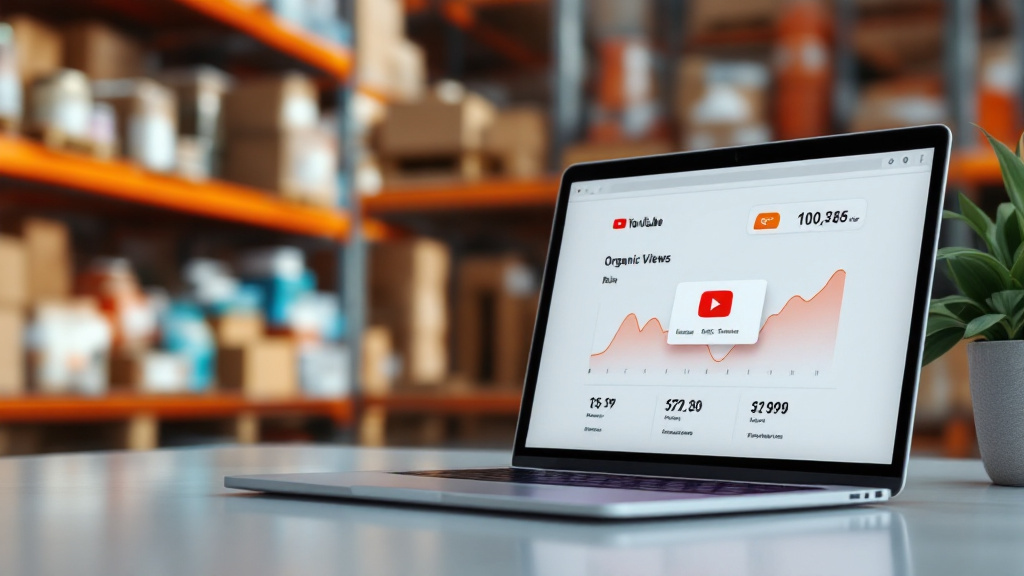
YouTube now drives more product discovery per organic view than any other video platform, and CPG brands spending six figures on paid search are leaving a compounding, zero-distribution-cost channel completely unmanaged.
The insight is not that YouTube is free advertising. The insight is structural: YouTube's algorithm since 2013 has been engineered to find viewers who want specific content and keep them on the platform. That means a brand does not pay to distribute content to the right audience. The algorithm does the matching. Brands that understand this build a self-reinforcing discovery engine. Brands that treat YouTube as a product listing page get nothing.
The strategic error most CPG operators make is targeting buyers instead of viewers. A buyer is someone ready to purchase. A viewer is someone whose watch history signals that your category is relevant to their life right now. YouTube surfaces content to viewers. The brand's job, and critically the job of any agency managing your organic content, is to create material worth surfacing.
What Separates Operator-Led Partners From Content Vendors
An advice-only consultant will tell you to post consistently and study your analytics. A tool-only vendor will hand you a content calendar template. Neither of them is accountable for what the content actually produces in revenue.
The distinction that matters for a brand doing $1M or more annually is whether the partner running your content understands the full purchase funnel across channels, not just within YouTube. Organic video that builds mid-funnel awareness only creates business value if downstream channels, specifically Amazon and TikTok Shop, are positioned to convert that warm traffic efficiently.
A documented case from a used office furniture operator illustrates the mechanics precisely. With no email list and no paid advertising, the brand built its entire traffic strategy on YouTube. Rather than filming product listings, it created viewer-first content: comparison breakdowns, category rankings, buying guides. Approximately 75 to 80 percent of views came from YouTube recommendations rather than search. Viewers who arrived through search watched three or four videos, which prompted the algorithm to recommend the channel at increasing frequency. The business scaled from one warehouse to two, and once traditional email sequences were layered in alongside YouTube, annual sales exceeded $20 million with zero paid distribution cost.
The brand won not because it made better videos, but because it understood psychographic targeting. Psychographics reveal what motivates a viewer based on values, fears, and life circumstances. Demographics tell you how to frame the presentation. The algorithm rewards content built around motivation because motivated viewers watch longer, and longer watch time is the primary signal YouTube uses to decide who sees your content next.
Why This Matters More for CPG Than Other Categories
CPG brands operate in categories where the purchase decision is habitual, not considered. That means the awareness window is short and the repeat purchase rate is what drives lifetime value. YouTube organic content, when built correctly, creates category-level authority that compounds over months. A viewer who watches four videos about supplement quality, for example, does not forget the brand when they are standing in front of an Amazon search result or scrolling TikTok Shop.
This is where the agency billed on a percentage of ad spend creates a structural conflict. That model rewards budget inflation. Running paid YouTube pre-roll against cold audiences costs money and produces one-time impressions. Building an organic content engine that feeds warm audiences into Amazon and TikTok Shop conversion pathways costs content production and strategic expertise. A partner aligned on gross revenue growth, not ad spend volume, will push you toward the second model because it scales margins alongside revenue.
For brands managing Amazon alongside TikTok Shop, the integration point is critical. Amazon requires a full operational infrastructure to convert traffic that arrives warm from organic channels. Buy box control, listing conversion rate, review velocity, and fee structure all determine whether YouTube-sourced awareness turns into captured revenue or lost opportunity. TikTok Shop similarly requires an operator who understands affiliate architecture and creator sourcing, not just content scheduling.
What to Demand From Any Partner Managing Your Content
- They must articulate the psychographic profile of the viewer, not just the demographic of the buyer, before a single video goes into production.
- They must have a documented framework for connecting organic view data to downstream conversion metrics on Amazon and TikTok Shop.
- They must be accountable to gross revenue outcomes, not vanity metrics like subscriber count or impressions.
- They must treat YouTube, Amazon, and TikTok Shop as one interconnected engine, because that is how the consumer experiences the brand.
- They must be willing to deploy capital and operational resources alongside strategy, not just deliver a deck.
The distributor that never runs the agency engine cannot do this. It can move units, but it cannot build the brand equity that makes those units cost less to acquire over time. A partner that manages only one channel cannot do this either, because the arbitrage opportunity is in the handoff between channels, not within any single one.
YouTube's algorithm will find your customers. The question is whether your infrastructure can close them once it does.
Want to see exactly where your brand stands? Get the free CPG Amazon Benchmark Report and see your margins, ad costs, conversion, and fees benchmarked against the real state of Amazon in 2026.
Get the Benchmark Report →More From the Eleviam Blog
Amazon AMC Data Reveals What Separates Scaling CPG Brands From Stalling Ones
September 13, 2026
Amazon CPC in 2026: What Your Brand Can Actually Afford Per Click
September 12, 2026