AI-assisted shopping sessions are quietly destroying the metric frameworks most CPG brands use to evaluate performance, and the brands scaling fastest in 2026 are the ones rethinking what they actually measure.
A product designer at TikTok who works on AI-assisted shopping experiences put it clearly: a shopper who once performed five searches and visited ten product pages may now describe their requirements once, compare three recommendations, and proceed directly to purchase. From the shopper's perspective, that is progress. In a standard analytics dashboard, it looks like decline.
This is not a minor calibration issue. It is a structural problem with how most agencies and brand teams read performance data, and it has direct consequences for CPG brands running on Amazon and TikTok Shop.
The Activity Trap
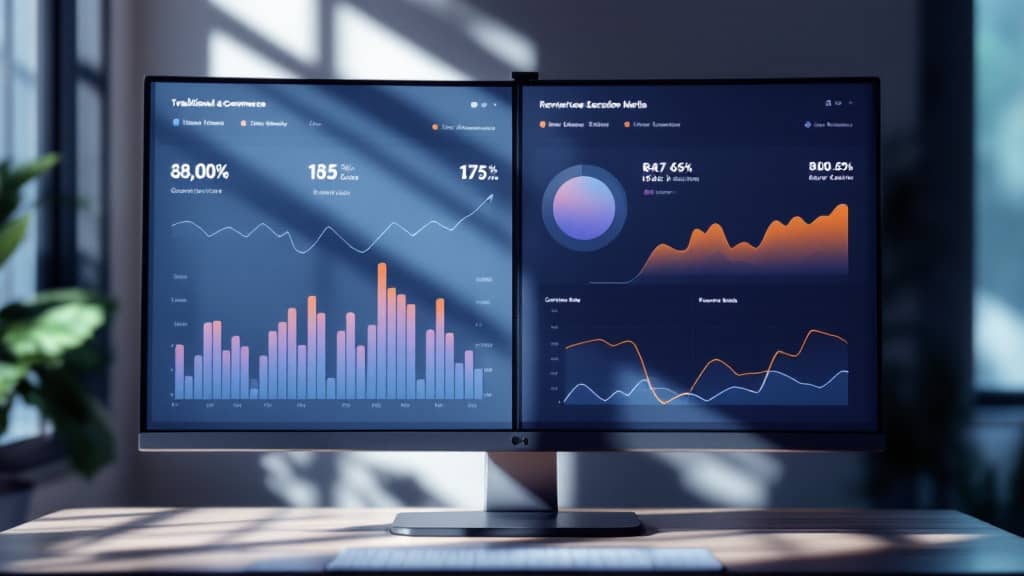
Ecommerce measurement was built on a flawed assumption: that shopper activity is a proxy for shopper interest. More product page views suggest consideration. More search queries indicate catalog engagement. Longer sessions imply careful evaluation. Those assumptions made sense when navigation was the primary discovery mechanic.
AI changes the discovery path entirely. A shorter session with fewer interactions can now mean a shopper found exactly what they needed on the first try. A longer session with more queries can mean your listing or assistant failed them repeatedly. The same raw numbers carry opposite meanings depending on the context, and most reporting tools have no way to distinguish between them.
The brands that suffer most are the ones working with partners who optimize for the wrong signals. An agency billing on a percentage of ad spend has a structural incentive to show activity: impressions, clicks, page visits, session duration. More activity often means more budget deployment, which means more agency revenue. That model is misaligned with what actually drives brand growth, and AI-assisted shopping makes the misalignment more visible than ever.
TikTok Shop Is Where This Problem Is Most Acute
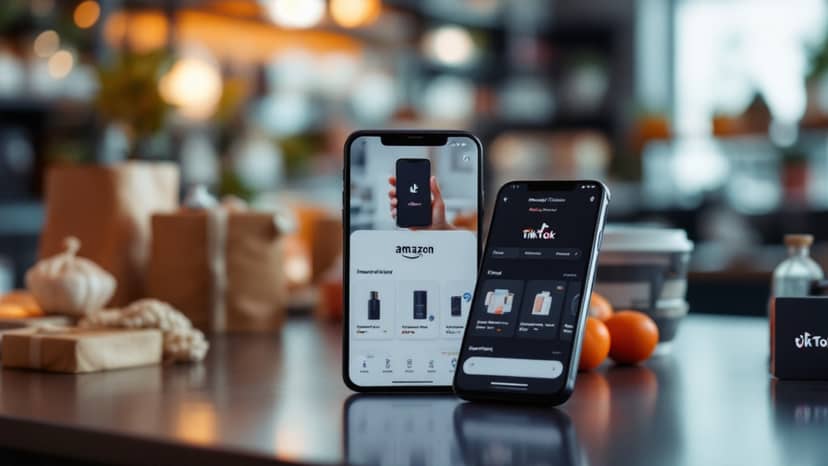
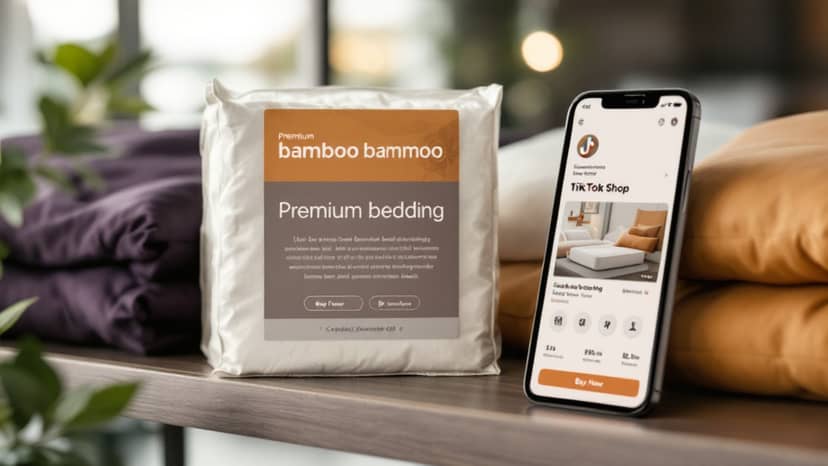
TikTok Shop's AI discovery layer is already reshaping how shoppers find and evaluate products. A shopper who encounters a product through a For You Page video, asks the in-app assistant a question, and purchases in under 90 seconds has generated almost no traditional engagement signal. No search queries. No category browsing. No comparison page visits. By legacy metrics, that session looks like nothing happened.
What actually happened was a completed conversion driven by content, social proof, and an AI-assisted decision path. The brands winning on TikTok Shop right now are measuring conversion rate on product detail page visits, video-to-purchase attribution, and repeat purchase rate, not session duration or message count with an AI assistant.
A partner running TikTok Shop as a full brand growth channel treats those outcome metrics as the signal. A tool-only vendor or a social media agency moonlighting in commerce will hand you a dashboard full of engagement numbers and call it a win.
Amazon Is Not Immune
Amazon's AI-powered features, including its Rufus shopping assistant and AI-generated review summaries, are compressing the consideration phase for millions of shoppers every day. A shopper who asks Rufus a category question and purchases directly from the response may never visit your brand store, browse your A-plus content, or click a sponsored product ad.
That changes what matters on the Amazon side too. The brands in the best position are the ones whose listings are structured to answer the specific questions AI assistants surface: use cases, ingredient or formulation clarity, size and format comparisons, third-party validation. Optimizing for keyword density alone is increasingly insufficient when the discovery layer is synthesizing answers rather than returning a list of results.
This is exactly why Amazon brand management requires operators who track downstream outcomes, not agencies measuring how many sponsored placements ran this week. The right partner asks: did the shopper convert, did they return, and did the margin hold after fees and ad costs? Those are the numbers that survive an AI-disrupted funnel.
What a Strong Partner Measures Instead
The shift from activity metrics to outcome metrics is not complicated, but it requires a partner with aligned incentives and full-funnel visibility. Here is what that looks like in practice:
- Conversion rate by traffic source, not total traffic volume
- Revenue per session, not session duration
- Repeat purchase rate and subscribe-and-save attachment, not page views per visit
- TACoS trajectory over 90-day windows, not weekly ad spend totals
- Gross margin after platform fees, not gross revenue alone
An operator-led partner bills on gross revenue and deploys its own capital, which means its incentives are locked to the same outcomes a brand cares about. When AI compresses sessions and reduces surface engagement, that partner does not panic. It reads the conversion data and adjusts creative, listing content, and channel mix accordingly.
The advice-only consultant hands you a framework and leaves. The ad-spend-percentage agency optimizes for budget deployment. The distributor without an agency engine has no visibility into the demand signals at all. None of those models are built for a world where a shopper's entire consideration phase happens inside an AI assistant in under two minutes.
The brands that scale through this transition will be the ones whose partners were already measuring outcomes before AI made activity metrics obsolete.
Want to see exactly where your brand stands? Get the free CPG Amazon Benchmark Report and see your margins, ad costs, conversion, and fees benchmarked against the real state of Amazon in 2026.
Get the Benchmark Report →