Brands that build trust through recommendations before they optimize for marketplaces are leaving significant revenue on the table. The brands that sequence this correctly, earning credibility through influencers and editorial placements first, then channeling that demand through Amazon and TikTok Shop, compound their growth in ways that ad spend alone cannot replicate.
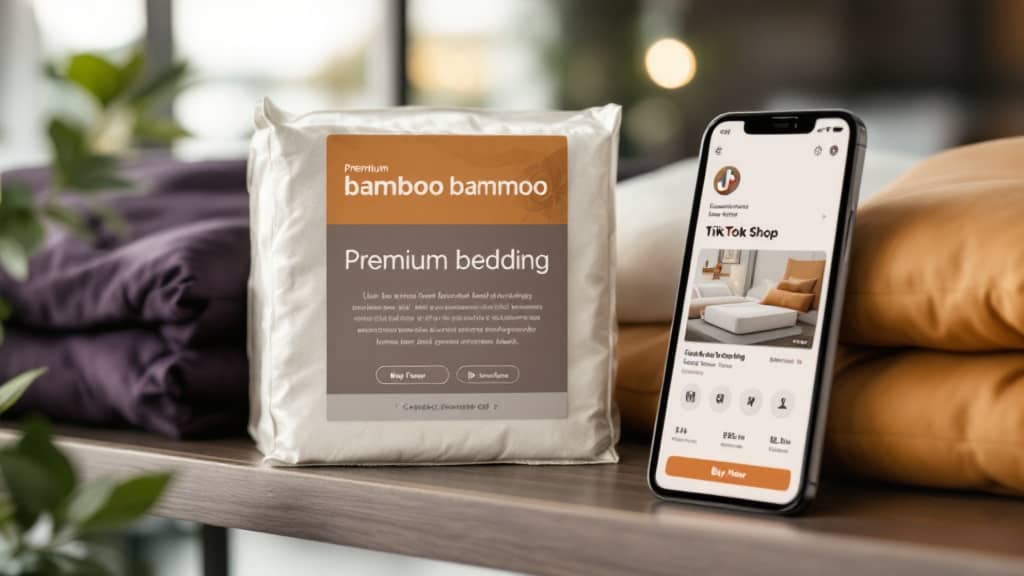
Cozy Earth is a useful case study in what recommendation-led growth looks like at its best. A founder selling premium bamboo bedding at trade shows, interior designers vouching for the product to affluent clients, a seven-year streak on Oprah's Favorite Things, and eventually thousands of social media creators explaining why the price point was worth it. The brand built conviction before it built scale.
For CPG brands watching this from the outside, the lesson is not about copying Cozy Earth's PR strategy. The lesson is about understanding what happens to a brand with this kind of credibility when it meets a marketplace partner who knows how to capture that demand efficiently.
What Recommendation-Led Brands Need From a Marketplace Partner
When a consumer sees a product featured by a creator they trust, or reads a glowing editorial endorsement, and then searches for that product on Amazon, they arrive with high purchase intent and low price sensitivity. That is the best possible customer to convert. The question is whether your Amazon presence is built to close that customer or lose them to a competitor.
Most brands in this position are underserving that moment. Their listing copy is generic. Their images do not reinforce the premium signals that drove the search in the first place. Their review velocity has stalled. And their ad structure is either over-spending to capture top-of-funnel traffic or under-investing in branded defense, which means a competitor's product appears when someone searches the brand name.
A strong Amazon agency for CPG brands treats the listing as the landing page for every dollar of external marketing the brand has ever spent. Every influencer post, every editorial mention, every word-of-mouth recommendation eventually leads a consumer to a search bar. The operator's job is to make sure that search ends in a conversion, not a bounce.
The Structural Problem With Most Agency Relationships
There is a common agency archetype that CPG brands encounter when they start scaling: the firm that charges a percentage of ad spend. On the surface this sounds like alignment. In practice, the incentive is to increase the budget, not to improve the return on it. When an agency earns more as the ad spend number grows, there is no structural reason for that agency to optimize toward efficiency.
Brands with recommendation-led demand, specifically brands where organic signals and creator content are driving search behavior, do not need an agency that defaults to buying more traffic. They need a partner that understands how to reduce TACoS by converting the organic demand that already exists, and only then layering paid amplification on top of proven product-market fit.
Eleviam bills on gross revenue, not ad spend. That means our incentive is to grow the total business efficiently, not to inflate the budget line that determines our fee.
TikTok Shop Is Where Recommendation Economics Live Now
Cozy Earth's creator strategy worked because the product demonstrated well on video. A creator showing how bamboo sheets feel, explaining the temperature regulation benefit, and linking directly to purchase is the same mechanic that TikTok Shop was built for. The difference is that TikTok Shop closes the loop in seconds rather than requiring the consumer to remember the brand, open Amazon separately, and search again.
For CPG brands that have built any kind of creator or influencer presence, TikTok Shop is not optional in 2026. It is where a significant percentage of discovery-to-purchase behavior now happens, particularly in categories like home, wellness, and personal care where demonstration drives conversion.
The operational challenge is that running TikTok Shop at a serious level is not a social media management job. It requires affiliate program architecture, creator recruitment and briefing, product seeding logistics, inventory coordination, and return management, all running in parallel with a content calendar. Most brands either underinvest and get inconsistent results, or they hand it to a social agency that has no supply chain visibility and cannot connect creator performance to margin outcomes.
A TikTok Shop agency built for CPG brands runs the creator engine and the operational backend as one system. Eleviam manages both channels together, which means a creator-driven spike on TikTok Shop does not create a stockout problem on Amazon, and a bestseller rank gain on Amazon informs which products the creator program prioritizes next.
What Separates Good Operators From Advice-Only Partners
There is another archetype worth naming: the consultant who produces detailed recommendations but has no stake in execution. Brands pay for the strategy document and then struggle to implement it because their internal team does not have the channel-specific depth to execute at speed.
Operators are different. An operator deploys capital, manages inventory, runs paid media, coordinates creators, and owns the outcome. Eleviam operates as both a full-service agency and, where it fits the brand, a third-party exclusive distributor that puts its own capital into the relationship. That structure changes the conversation entirely. When a partner has money in the deal, the recommendations are not theoretical.
Cozy Earth's growth happened because the people vouching for the product, interior designers, Oprah's editorial team, social media creators, had genuine conviction in it. The marketplace partner for a brand like that needs the same kind of conviction, expressed not in strategy slides but in execution, capital, and accountability.
Want to see exactly where your brand stands? Get the free CPG Amazon Benchmark Report and see your margins, ad costs, conversion, and fees benchmarked against the real state of Amazon in 2026.
Get the Benchmark Report →