Unfulfillable FBA inventory is quietly draining your margins, and most brands are making the wrong call every time.
Amazon's fulfillment network processes billions of units annually, and a meaningful slice of that volume ends up flagged as unfulfillable. Products returned by customers with damaged packaging, missing components, or visible wear cannot be relisted as new. They sit in fulfillment centers accumulating storage fees until a brand takes action. The two options Amazon offers are return to seller or dispose. Most brands pick one by default, without any strategic framework, and leave real money on the table as a result.
The stakes are not trivial. Sellers lose an estimated 1% to 3% of inventory value annually to inventory-related issues, including unfulfillable stock that compounds storage fees over time. For a brand doing $100K per month on Amazon, that is $12,000 to $36,000 per year in exposure before you account for misguided removal decisions on top of it.
What the Two Options Actually Mean
Amazon charges the same base removal fee whether you select return or dispose. That single fact changes the entire calculus. Dispose does not save you money on Amazon's fee; it only saves you the downstream shipping cost of receiving the units back at your warehouse. But dispose also eliminates any chance of recovering value from those units entirely.
Return gives you physical custody of the inventory. Once you have it back, you can inspect units, repackage or relabel sellable items, route them to secondary channels, or decide then to discard what truly has no remaining value. You are preserving optionality. Dispose is a permanent, irreversible write-off made at the moment you click confirm, often before anyone has actually evaluated whether those units are salvageable.
For most CPG brands, the math favors return in the majority of cases. A unit that cost $4 to manufacture and retails for $18 does not become worthless because its outer box is dented. A competent operator evaluates that unit before committing to disposal.
What Separates Good Operators from Bad Ones Here
The difference between brands that manage this well and brands that bleed margin comes down to three things: systematic review cadence, a clear decision framework, and the right fulfillment infrastructure to receive and process returned units efficiently.
A strong Amazon partner should be monitoring your unfulfillable inventory queue on a set schedule, not reactively. They should be flagging units before storage fees compound and presenting you with a data-driven recommendation on each SKU. That recommendation should account for the unit's landed cost, its resale potential across channels, the removal fee, and inbound shipping back to your facility or a third-party processor.
Brands that are not receiving this level of attention from their agency are leaving decisions to Amazon's automated settings, which default to options that do not always align with your margin interests. Amazon's automated unfulfillable inventory settings include liquidation and Grade and Resell programs that may recover some value, but they can also introduce brand reputation risk when your product appears in discount channels or through third-party resellers you have not vetted.
The Brand Protection Dimension
Liquidation channels are a legitimate concern for CPG brands building equity on Amazon. When unfulfillable units enter liquidation through Amazon's program, you lose control over where those products surface and at what price. A unit sold through a liquidator can trigger a listing price drop, confuse your retail partners, or end up in the hands of a reseller creating a counterfeit or commingling problem downstream.
For brands that have invested in building a brand registry, trademark protection, or premium positioning, the dispose option may actually be preferable to liquidation for specific SKUs. That is a nuanced call that requires brand strategy context, not just a cost-per-unit spreadsheet. Your operator needs to understand both the financial and brand equity implications of every unfulfillable unit decision.
When Dispose Actually Makes Sense
There are legitimate cases for disposal. If a unit's landed cost is low, the product is fragile and will not survive return shipping intact, or the category economics make secondary market resale impractical, disposal is the right call. Hazmat categories, heavily regulated products, and items with expiration dates close to or past their window are also clear candidates for disposal over return.
The problem is not that disposal exists as an option. The problem is brands using it as a default rather than a deliberate choice. Every disposal decision should be a conscious tradeoff, not an automated setting someone configured 18 months ago and never revisited.
What Your Partner Should Be Doing Differently
An accountable Amazon partner treats unfulfillable inventory as a recurring P&L line item, not a back-office logistics issue. That means monthly reporting on unfulfillable unit volume by SKU, cost basis analysis on removal decisions, clear documentation of what happened to each returned unit, and proactive recommendations when a SKU's return rate suggests a product quality or packaging problem worth addressing at the source.
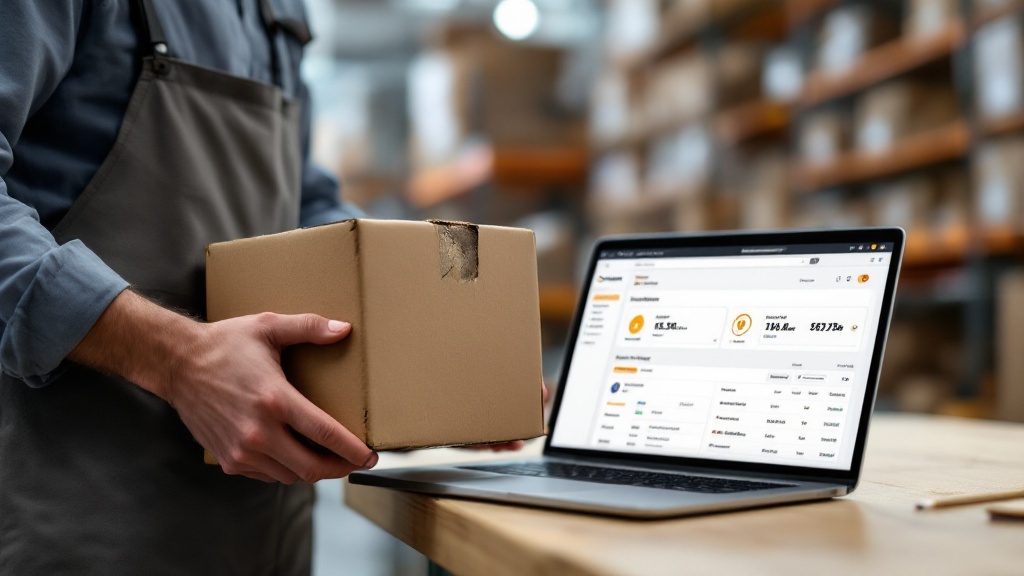
With over 1.9 million active third-party sellers on Amazon globally, the margin compression from mismanaged operational details compounds faster than most brands realize. The brands that protect their profitability at scale are the ones working with operators who treat every decision, including what to do with a dented box in a Kentucky fulfillment center, as a strategic one.
Running $75k+/month on Amazon or TikTok Shop? Book a free 30-minute audit call and we'll show you exactly where the margin is leaking.
Book a Free Call →