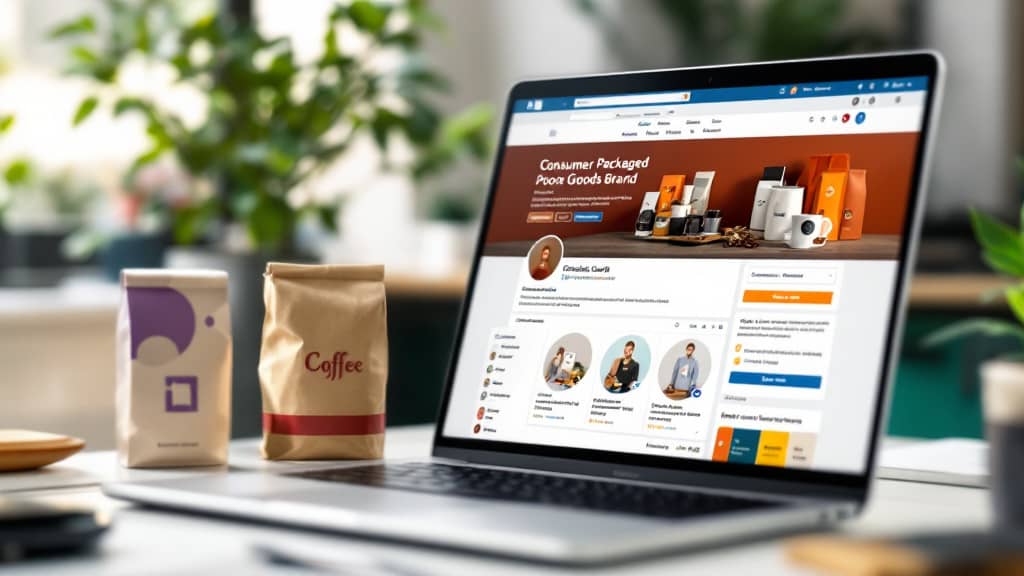
LinkedIn blocked billions of AI-generated posting attempts in recent months, and the brands still treating the platform as a content dump are watching their reach collapse in real time. For CPG brands scaling on Amazon and TikTok Shop, LinkedIn is a distribution channel for investor credibility, retail buyer outreach, and category authority. Losing that reach is a real cost, not a vanity metric problem.
The signal from LinkedIn is unambiguous: the platform is building detection models trained on user reports, replacing its own AI rewriting tools with proofreading-only features, and showing creators data on whether their audience perceived a post as machine-generated. What matters for brand operators is understanding what this shift demands from anyone producing content on behalf of a CPG brand at scale.
What the LinkedIn Crackdown Reveals About Platform Trust
LinkedIn's move is not isolated. It reflects a broader platform dynamic that CPG brand operators should recognize immediately: marketplaces and social platforms will always build systems that reward authentic signal and penalize automated noise. Amazon has done this with reviews, with listing quality scores, and with suppression triggers. TikTok Shop does this with creator content standards and fulfillment reliability metrics. LinkedIn is doing it now with AI-generated posts and comments.
The brands that win on these platforms share one characteristic: they treat platform trust as an asset to protect, not a loophole to exploit. That same discipline that protects your Buy Box on Amazon is what protects your brand authority on LinkedIn. Both require an operator mindset, not a volume mindset.
The Three-Stage Framework and What It Requires
The content approach that holds up under LinkedIn's scrutiny follows a clear structure. AI handles ideation, generating angles, frameworks, and possible directions before a single sentence is written. Human expertise fills the center, the part that contains real industry knowledge, specific operational experience, and perspective that cannot be replicated by a language model. AI returns at the end to tighten formatting and improve readability without replacing the original voice.
The middle stage is where most brand-side content fails. When a CPG brand's LinkedIn presence is built entirely on AI outputs, there is no middle layer. The posts read like category summaries rather than category leadership. Audiences notice before any algorithm does.
For brands working with a growth partner, this is worth asking about directly: who is producing the expert content layer? Is it a strategist with real marketplace operating experience, or is it a content coordinator running prompts through a tool? The distinction matters because LinkedIn audiences, including retail buyers, investors, and category managers, will feel the difference even if they cannot name it.
The Specific Tells That Destroy Credibility
Certain patterns mark AI-generated LinkedIn content immediately to experienced readers. Em dashes appear at a frequency no human writer matches. Emojis drop into comments where they do not fit the author's existing style. Phrases that summarize rather than assert signal that no human perspective is present.
Comments are particularly exposed. LinkedIn has blocked hundreds of thousands of automated comment attempts daily. The automated engagement tactic, deploying AI comments to build visibility, is not just ineffective. It is actively training LinkedIn's detection system and leaving a signal trail on a brand's profile that erodes credibility with exactly the audiences CPG brands need to reach.
The operator standard here: if your agency or partner is running a LinkedIn strategy that relies on AI-generated comments for engagement, that is the same failure mode as an ad agency inflating spend to hit a percentage-of-budget fee. The activity looks like progress, but it is optimizing for the wrong output at the brand's expense.
What a Credible CPG Brand Presence on LinkedIn Actually Requires
Authority on LinkedIn in 2025 and beyond is built on three things: specific numbers, real operational perspective, and consistency from a recognizable voice. For a CPG brand doing serious volume on Amazon and TikTok Shop, there is no shortage of material. Conversion rate improvements after a listing overhaul, TACoS reduction results across a product line, category rank changes tied to a specific channel decision: these are posts that no AI can generate without the underlying data and the operator who made the decisions.
This is where the partnership model matters. A brand operator focused on product development, supply chain, and retail relationships should not also be drafting LinkedIn content from scratch. But the content that performs has to originate with real expertise, which means the partner producing it needs actual platform operating knowledge, not just content production capacity.
The same integrated approach that treats TikTok Shop and Amazon as one connected growth engine rather than two separate line items applies to brand authority channels. Everything either builds the brand or costs the brand. LinkedIn done wrong costs it twice: once in reach, once in credibility with the buyers and investors who will check your profile before they take a meeting.
The Strategic Takeaway for CPG Brand Operators
LinkedIn's AI crackdown is a useful stress test. Any content strategy that cannot survive it was not building real brand equity to begin with. For CPG brands at meaningful scale, the question is not whether to use AI in content production. It is whether the partner managing that production has the operational expertise to fill the middle layer that makes the content worth reading.
Platforms reward authentic signal. The brands that understand this early will compound the advantage. The brands that find out late will spend the next year recovering reach they should never have lost.
Want to see exactly where your brand stands? Get the free CPG Amazon Benchmark Report and see your margins, ad costs, conversion, and fees benchmarked against the real state of Amazon in 2026.
Get the Benchmark Report →