The Retail Shelf Is Being Restructured Around Clean Ingredients
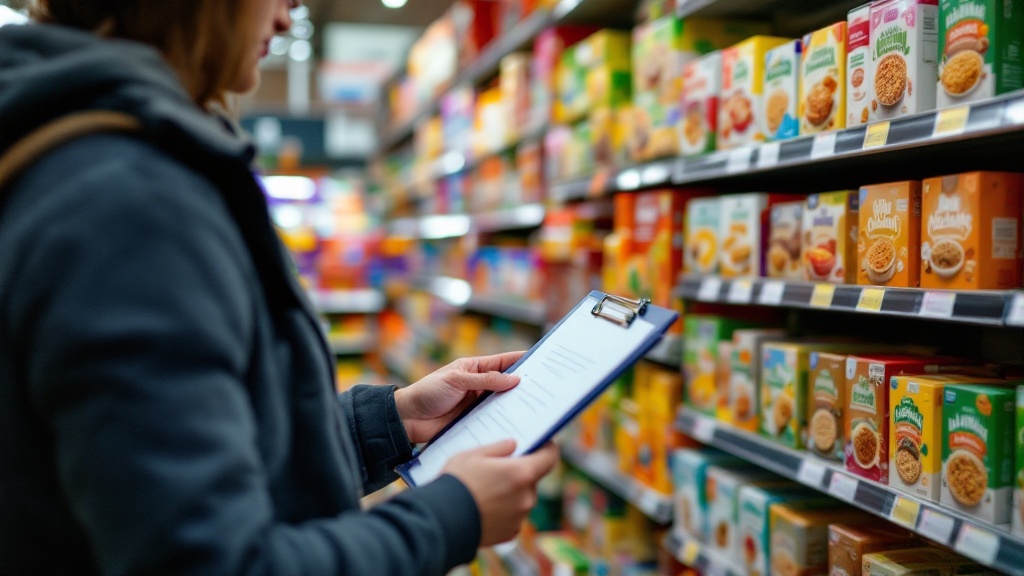
Target, Walmart, Sam's Club, and Aldi are actively reformulating their cereal, frozen, and snack aisles to eliminate certified synthetic food dyes, and they are requiring brand partners to follow. This is not a fringe trend. It is a structural shift in how major retailers are curating their assortment, and CPG brands that fail to adapt will lose shelf space to those that already have.
According to reporting from Modern Retail, Target announced earlier this year that by May, all cereals sold in its stores would be free of certified synthetic colors. Aldi followed with a commitment that all exclusive owned-brand products would be free of dyes like Red 40, Yellow 5, and Blue 1 by the end of 2027. These are not vague pledges. These are supplier requirements.
What This Shift Actually Means for Emerging CPG Brands
For brands already operating with natural colorants, this is the clearest retail expansion window in over a decade. Seven Sundays, a brand founded in 2011 with roots in the natural channel, went from roughly 5,000 grocery store locations to over 20,000 in a short window, largely because Walmart, Target, Kroger, and Albertsons were actively seeking clean-label alternatives that could compete visually and taste-wise with mainstream cereals. Their new Red Velvet Oat Protein Cereal uses beet powder for its pink color and launched as a Target exclusive.
That kind of distribution velocity does not happen by accident. It happens when a brand's formulation, packaging, and positioning are already aligned with where retail is heading before buyers come calling. The brands winning exclusives right now built that readiness years ago.
The category lesson from 2016 is worth studying. General Mills removed artificial dyes from Trix, faced consumer backlash, and reversed course within months. The market then was not ready. The market now is. The MAHA movement has fundamentally shifted what families expect from their grocery carts, and retailers are responding to that pressure with unprecedented urgency.
What Separates Brands That Win Retail Exclusives From Those That Don't
When Target's senior vice president of food and beverage calls the cereal aisle overhaul a priority and says families are making more intentional choices, that language translates directly into buyer conversations. Every meeting Seven Sundays had with conventional retailers in the past 18 months included a discussion about cleaner ingredients. Every single one.
Brands that are positioned to win in this environment share a few characteristics:
- Their formulations are already compliant, so reformulation is not a cost or timeline risk when a retailer comes knocking.
- Their packaging communicates the clean-label story clearly without requiring the buyer to explain it to their team.
- Their velocity data from natural channel retailers like Whole Foods and Sprouts demonstrates proven consumer demand before they pitch conventional retail.
- They can scale production without sacrificing margin, because a 20,000-door rollout at thin economics is worse than no rollout at all.
Why Your Amazon and TikTok Shop Strategy Feeds Retail Expansion
There is a direct connection between marketplace performance and retail buyer confidence that most brands underestimate. When a buyer at Walmart or Kroger evaluates a clean-label cereal brand, they are looking at more than trade show samples. They are looking at review velocity, repeat purchase rates, and whether the brand has demonstrated it can build consumer demand outside of placement-driven trial.
A strong Amazon presence, particularly one showing consistent organic ranking and a growing Subscribe and Save base, tells a buyer that consumers seek this product out. TikTok Shop performance tells them the brand can generate awareness and conversion without relying on the retailer's circular. Both signals reduce the buyer's risk in making a shelf decision.
This is why marketplace strategy is not separate from retail strategy. It is the foundation of it. Brands that treat Amazon as a dumping ground for excess inventory and TikTok Shop as an experiment are leaving the most compelling proof points off the table when they walk into a buyer meeting.
What a Strong Operator Should Be Doing for You Right Now
If your agency or distribution partner is not helping you connect your marketplace performance to your retail expansion story, that is a problem. The brands landing exclusives with Target right now are the ones whose operators tracked the right metrics, built the right content, and positioned the brand's clean-label attributes as a commercial advantage rather than a niche talking point.
A strong marketplace partner understands that a brand doing $75,000 or more per month on Amazon is generating data that belongs in every retail buyer deck. Review sentiment around ingredient preferences, search term trends around clean-label keywords, conversion rates on hero SKUs: all of it supports the retail pitch.
The clean-label retail restructuring that Target, Walmart, and Aldi are driving is not slowing down. Industry observers tracking this shift note that categories popular with families, including cereals, frozen treats, and pantry snacks, are the primary focus areas. Brands that are not already aligned with where this is heading will find themselves reformulating reactively, at higher cost and with less leverage, while competitors lock up the exclusives.
The window to position your brand as the obvious clean-label choice for a major retail buyer is open right now. It will not stay open indefinitely.
Running $75k+/month on Amazon or TikTok Shop? Book a free 30-minute audit call and we'll show you exactly where the margin is leaking.
Book a Free Call →