Why UGC Is Now the Primary Growth Driver for CPG Brands on TikTok Shop
UGC converts 4x better than brand creative on TikTok Shop. Here is what a real UGC engine looks like and what to demand from the partner building it.
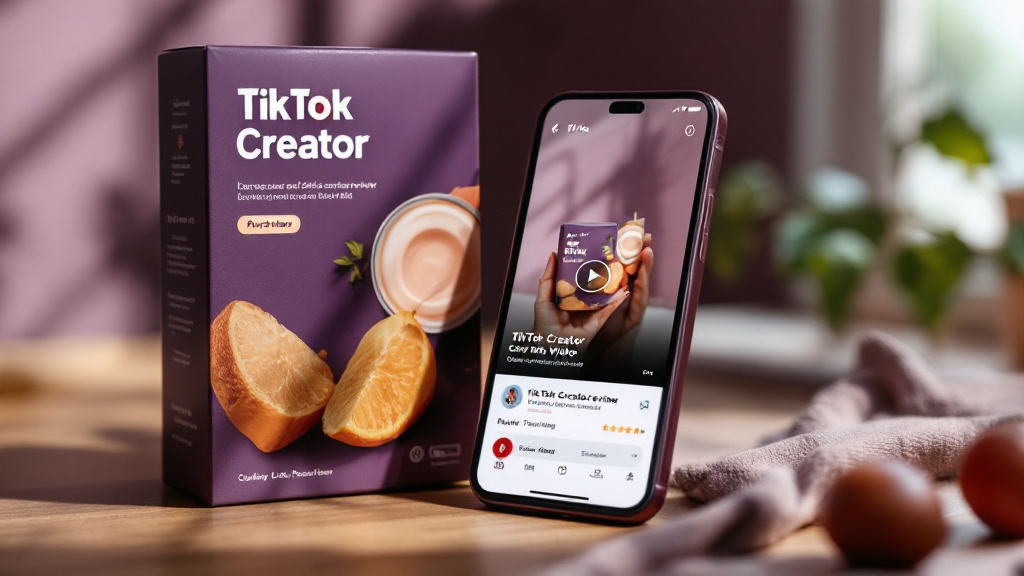
User-Generated Content Converts 4x Better Than Brand Creative on TikTok Shop
CPG brands that treat TikTok Shop like a paid media channel with polished studio ads are leaving significant revenue on the table. The data is consistent: authentic user-generated content, real customers and creators showing real product experiences, outperforms brand-produced creative on conversion rate by a factor of four or more. For brands doing $1M or more annually, this is not a creative preference. It is a structural revenue question.
The brands scaling fastest on TikTok Shop right now are not the ones with the biggest production budgets. They are the ones with a systematic UGC engine feeding their affiliate and paid amplification stack. If your current partner is not building that engine for you, you are operating at a fraction of your potential.
What Separates a UGC Strategy From a Content Calendar
Most brands confuse having UGC with having a UGC strategy. Posting a few customer testimonials or reposting creator videos is a content calendar. A real UGC strategy is a recruiting, briefing, testing, and amplification system that runs continuously and compounds over time.
Here is what that looks like in practice. A brand with a functioning UGC engine has 30 to 50 active affiliate creators in market at any given time, each producing content under a structured brief that emphasizes specific product benefits and purchase triggers. That content gets analyzed weekly. The top performing 20 percent gets amplified through Spark Ads or TikTok Shop affiliate boosts. The bottom performers get briefed differently or rotated out. The cycle repeats.
An advice-only consultant will tell you this is what you should do. A tool vendor will give you a creator marketplace login. Neither builds the system or manages the feedback loop. The difference between having a UGC framework on a slide deck and having a live UGC engine generating attributable revenue is operational execution, and that execution requires a partner with skin in the game.
The Incentive Problem Most Brands Never See Coming
Agencies billed on a percentage of ad spend have a structural reason to push paid media over organic and affiliate. Every dollar shifted to Spark Ads or paid TikTok promotion is a dollar that increases their fee. UGC and affiliate programs, by contrast, are labor-intensive to build and do not move the ad spend number. So they get under-resourced.
This is not a character flaw in individual account managers. It is a billing model problem. When your partner's revenue grows when your ad budget grows, not when your brand's gross revenue grows, you are pointed in opposite directions. Understanding how to evaluate an agency's incentive structure is one of the most important decisions a CPG brand at scale will make.
Eleviam bills on gross revenue. That means when UGC drives organic affiliate sales with zero ad spend behind them, we still win. So we build the organic engine aggressively, not as an afterthought to the paid stack.
Why TikTok Shop UGC and Amazon Are the Same Problem
Brands treating TikTok Shop and Amazon as separate initiatives are creating a structural gap in their growth model. TikTok Shop drives discovery and first purchase. Amazon captures the repeat buyer, the comparison shopper, and the customer who saw a creator video and searched the brand name two days later. These two channels are not parallel. They are sequential and they amplify each other.
A UGC creator posts an honest review of a protein bar on TikTok Shop. It gets 200,000 views and 3,000 in-app purchases. It also drives a 40 percent spike in branded search on Amazon over the following week. If your Amazon listing is not optimized to convert that traffic, if your Buy Box is not clean, if your reviews are not pulling weight, you lose the downstream revenue that the TikTok creator just generated for you.
Running TikTok Shop as a standalone channel without an Amazon operator managing the downstream capture is like driving traffic to a leaky funnel. The UGC investment never fully pays off.
What to Demand From a Partner Managing Your UGC Engine
If you are evaluating a partner for TikTok Shop growth, here are the specific capabilities that separate operators from account managers:
- A documented creator recruitment and briefing process with clear conversion-focused brief templates, not just a list of influencer contacts
- Weekly content performance reporting tied to attributed sales, not vanity metrics like views or follower count
- A testing cadence that rotates underperforming content and scales winning hooks within 7 to 10 days of posting
- Integration between TikTok Shop affiliate performance data and Amazon branded search trends, so the full revenue picture is visible
- Capital willingness: the ability to co-invest in creator campaigns or hold inventory to support a campaign launch, not just manage a budget you fund entirely
A distributor that manages your Amazon 3P account but runs no agency function will not build this. A creative agency that produces UGC but does not touch media buying or marketplace operations will not close the loop. The brands compounding fastest in CPG right now are working with partners who can hold the full stack.
The Brands That Will Win on TikTok Shop in the Next 18 Months
TikTok Shop is still early enough that a brand with a real UGC and affiliate engine can build a category-defining position before the channel matures and CPMs rise. The window for low-cost customer acquisition through organic creator content is not permanent. Brands that move now and build the infrastructure will own the algorithm-driven shelf space. Brands waiting for the channel to stabilize will pay 3 to 5 times more per acquisition in 2026 than brands that moved in 2024.
The strategic question for CPG brands is not whether to invest in UGC on TikTok Shop. It is whether the partner managing that investment has the operational depth to turn creator content into a compounding revenue system rather than a one-time campaign.
Want to see exactly where your brand stands? Get the free CPG Amazon Benchmark Report and see your margins, ad costs, conversion, and fees benchmarked against the real state of Amazon in 2026.
Get the Benchmark Report →More From the Eleviam Blog
YouTube Organic Strategy: What CPG Brands Must Demand From Partners
September 14, 2026
Amazon AMC Data Reveals What Separates Scaling CPG Brands From Stalling Ones
September 13, 2026