Check Whether Your Posting Hours Match When Your Audience Engages
It is easy to optimize TikTok Shop posting for the wrong signal. They pick posting times based on internal convenience, copy generic scheduling advice from industry blogs, or simply default to whatever time the content team finishes editing. The result is content hitting the feed when their audience is offline, engagement rates below their potential, and shoppable video GMV that never reflects the true demand in the market.
This is not a creative problem. It is a distribution problem, and it is one of the first things a competent TikTok Shop operator should be diagnosing on your behalf.
The Timing Mismatch: A Concrete Example
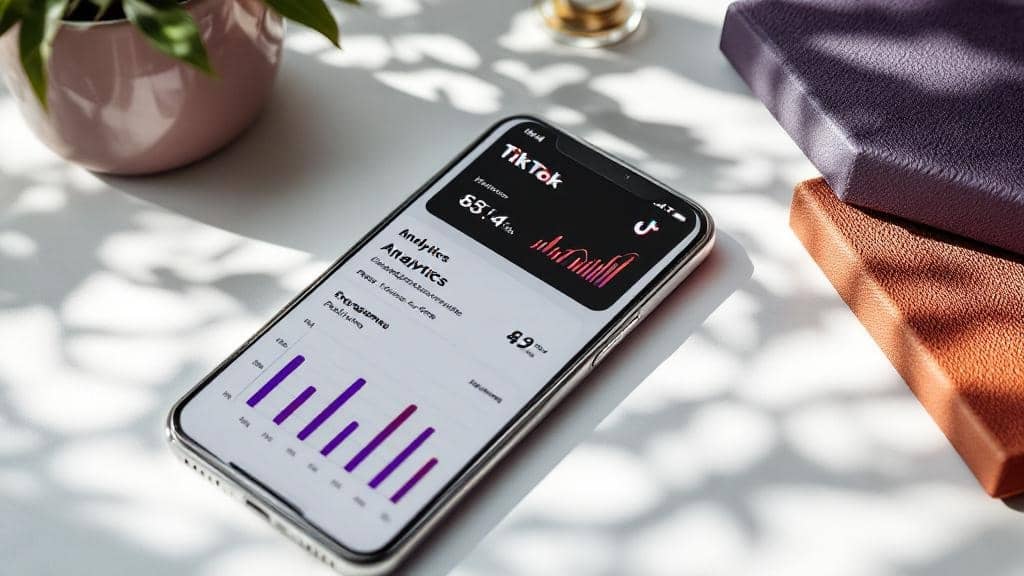
FastMoss walked through one creator account from its own dashboard. The account posted most between 8:00 and 9:00 AM, with 9 video posts in that window. Its audience's peak engagement, however, landed between 5:00 and 6:00 PM, with an engagement rate of 0.99%, per FastMoss's best time to post guide. The account's average engagement rate was 0.45%, in the same FastMoss example.
FastMoss's read, in the same guide, is that moving those posts toward the peak window could, in theory, lift engagement with zero changes to the creative itself. Just a schedule shift. In that one account, the posting schedule simply did not match when the audience was most engaged.
That is a single account, so treat it as an illustration, not a benchmark. FastMoss's point is that the hours you post most are not always the hours your audience engages most. The only way to know whether that gap exists on your account is to check your own data.
Engagement Is a Top-Funnel Metric. Revenue Requires a Different Frame.
High engagement rates matter, but for CPG brands on TikTok Shop, the metric that actually moves the business is GMV per post. Views and likes do not pay for inventory or fund the next product launch. A shoppable video posted at the wrong time can pull solid engagement numbers while generating a fraction of the revenue it would at peak purchase intent hours.
The distinction matters because top-of-funnel and bottom-of-funnel content often have different optimal windows. A brand awareness video might perform best when scroll volume is highest. A shoppable product drop tied to a promotional price should be timed to when your specific audience has historically converted, not just engaged. These are different windows, and conflating them is a consistent mistake made by brands without dedicated TikTok Shop operators managing the data.
What separates good operators from bad ones is exactly this: they tie posting schedules to GMV outcomes, not just engagement metrics. They run the analysis by content type, by product category, by audience segment.
What Your TikTok Shop Partner Should Be Doing
If you are working with an agency or considering one, this is a direct line of questioning you should use to evaluate their operational rigor. A serious operator will be doing the following on your account:
- Auditing the gap between your active posting periods and your peak audience engagement windows, minimum monthly.
- Segmenting timing analysis by content objective: reach, engagement, and direct GMV from shoppable video.
- Running structured A/B tests on post timing for your top-performing content formats, shifting windows in 1 to 2 hour increments and tracking the downstream revenue effect over 7 to 14 day cycles, as FastMoss's timing playbook suggests.
- Using platform-native analytics plus third-party tools to build an account-specific timing model rather than applying generic industry benchmarks.
- Reporting timing performance as a named variable in weekly content reviews, not treating it as a background assumption.
If your current partner cannot tell you the specific time windows that have historically driven the highest GMV on your account, separated from the windows that just drive views, that is a gap worth addressing before you scale spend.
Generic Advice Is Not a Strategy at Scale
The "best time to post" content that dominates search results is built on aggregated, anonymized data that has no relevance to your specific audience, your product category, or your customer's purchase behavior. Platform-level analytics tools exist precisely to replace that guesswork with account-specific data. Industry scheduling templates are not built for your account. Build your timing model from your own conversion data instead.
This is the work that happens in the background, the kind that does not show up in a creative brief but shows up directly in revenue per post. It requires dedicated operational attention, the right tooling, and an operator whose incentives are aligned with your GMV growth, not just your content output volume.
Posting time is a lever. Most brands leave it unpulled.
Doing $1M+ a year on Amazon or TikTok Shop? Book a qualification call and we'll show you where demand is leaking between the two channels.
Book a Qualification Call →