Brands that connect Amazon Marketing Cloud data to actual buying behavior see a 30 to 40 percent improvement in return on ad spend within the first 90 days of implementation, and most CPG brands are not doing this at all.
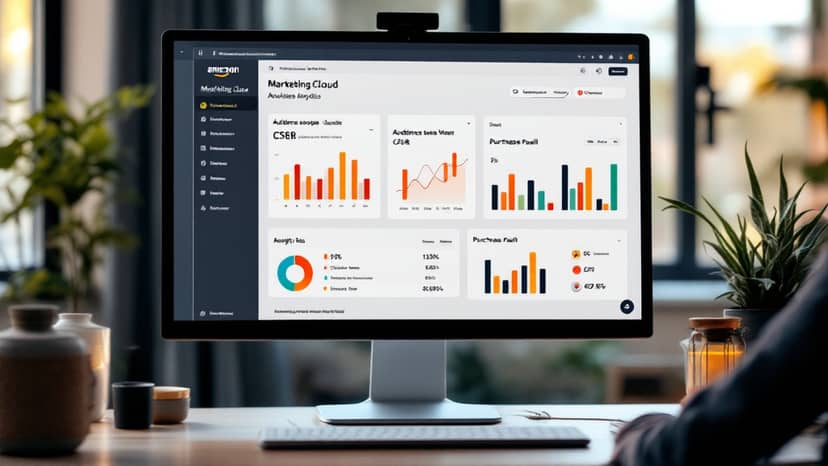
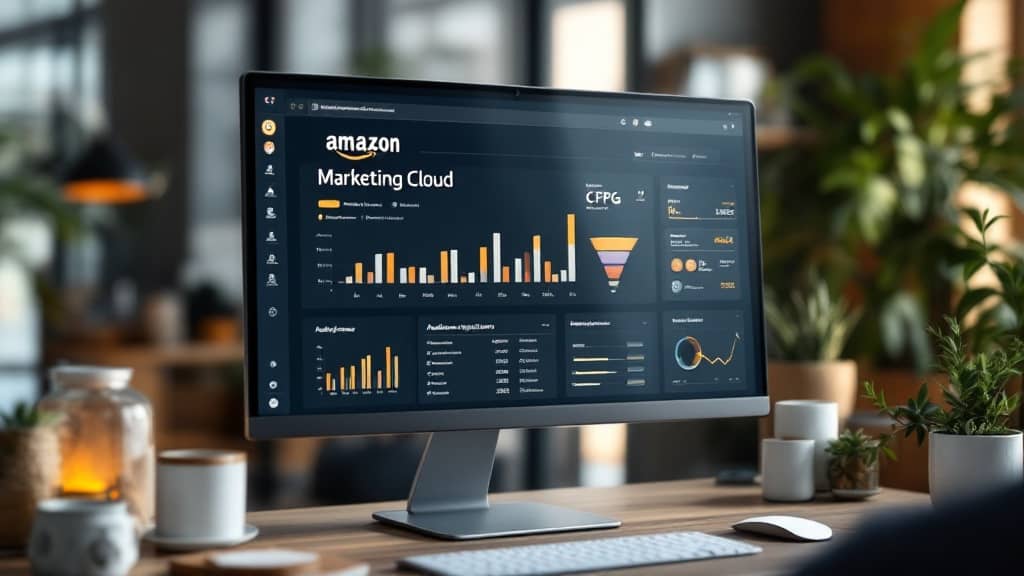
Amazon Marketing Cloud is one of the most powerful attribution tools available to brands selling on Amazon today. It lets you look beyond last-click attribution and understand the full sequence of touchpoints a shopper takes before purchasing. Sponsored Product, Sponsored Brand video, Streaming TV ads, off-platform traffic, all of it can be connected into a single customer journey. The brands using it correctly are making media decisions based on real purchase paths. Everyone else is guessing.
The gap this creates is significant. When an agency manages your Amazon account without using AMC, they are optimizing campaigns on incomplete data. They see clicks and conversions inside the campaign manager view. They do not see that a customer watched your Streaming TV ad on a Monday, clicked a Sponsored Brand ad on Wednesday, and converted on a Sponsored Product ad on Friday. Without that path, you over-invest in the last touchpoint and starve the awareness layer that started the sequence.
What a Real AMC Strategy Actually Looks Like
An operator who genuinely runs AMC for CPG brands is doing several specific things. First, they are building custom audience segments from AMC query outputs: lapsed buyers, new-to-brand converters, category shoppers who viewed but did not buy. These segments feed back into Sponsored Display and DSP targeting, closing the loop between insight and action.
Second, they are running path-to-purchase analysis on a rolling basis, typically weekly, to identify which ad types are generating first touchpoints versus closing touchpoints. This tells you exactly where to shift budget before a quarter ends, not after the damage is done.
Third, they are using AMC to measure incrementality. The core question for any CPG brand spending serious money on Amazon ads is: would this shopper have bought anyway? AMC gives you a clean way to test that through holdout studies. Agencies that cannot run this analysis are billing you for ad spend that may be capturing organic demand you already owned.
This last point matters especially because the most common agency model in this space bills on a percentage of ad spend. That structure creates no incentive to find out whether spend is incremental. More spend means more revenue for the agency regardless of whether it actually grew your brand. A partner who bills on gross revenue of the account, the way Eleviam does, has a completely different set of incentives. They win when the brand grows, not when the budget inflates.
The AMC Gap Most Brands Don't Know They Have
If you are working with an advice-only consultant who builds decks and leaves execution to your internal team, AMC is almost certainly not being used. The technical setup requires a verified Amazon DSP relationship, clean data connection to your advertising account, and the ability to write SQL queries or interpret query outputs. That is not a strategy document. It is operational infrastructure.
If you are working with a tool-only vendor, you may have access to AMC dashboards inside a software product. But data without action is just cost. What matters is whether the insights from AMC are actually changing how campaigns are structured, how budgets are allocated, and how audiences are built. A tool does not do that. An operator does.
And if you are with a distributor who resells your product but does not run the advertising engine, AMC is entirely off the table. Distribution without advertising strategy means your product sits on the shelf and waits. It does not grow.
The brands that are compounding growth on Amazon right now are treating AMC as operational infrastructure, not a reporting add-on. They are using it to reduce wasted spend, find the audiences that actually convert, and understand which channels are building brand equity versus just harvesting existing demand. If your current partner cannot tell you your new-to-brand rate by ad type or show you a path-to-purchase heatmap for your top SKU, that is a gap worth addressing.
Why This Connects Directly to Margin Recovery
AMC is not just a media tool. It is a margin tool. When you know which spend is genuinely incremental, you can cut the spend that is not without losing sales. That reduction in wasted ad budget flows directly to the bottom line. For CPG brands where margins are already compressed by FBA fees, promotions, and retailer co-op, every point of efficiency in advertising is meaningful.
Brands working with an Amazon partner built for CPG should be asking directly: are you running AMC audience analysis, and how often does it change our campaign structure? The answer will tell you a lot about whether you are working with an operator or a placeholder.
Connecting AMC intelligence to real spending decisions is also where TikTok Shop integration becomes powerful. When you understand which Amazon audiences are new-to-brand versus loyal, you can use TikTok Shop to reach the acquisition segments with creator-led content while letting Amazon harvest the retargeting layer. That cross-channel coordination requires a partner who runs both channels, not two separate vendors who never speak. Managing TikTok Shop alongside Amazon as a unified growth engine is what turns channel data into compounding brand value.
AMC is available to brands today. The question is whether your partner is actually using it to make decisions, or whether it is sitting unused while your ad budget runs on autopilot.
Want to see exactly where your brand stands? Get the free CPG Amazon Benchmark Report and see your margins, ad costs, conversion, and fees benchmarked against the real state of Amazon in 2026.
Get the Benchmark Report →