Amazon AMC Data Tells You What Your Agency Should Already Know
Amazon Marketing Cloud reveals what last-touch attribution hides. Here is what your agency should already be doing with it, and why most are not.
Brands spending six figures on Amazon advertising are flying blind without Amazon Marketing Cloud, and most agency partners are letting them. AMC is not a new feature. It has been available long enough that any serious operator managing CPG brands at scale should have it embedded in their reporting stack. If your current partner has not brought it up, that tells you something important about how they think about your business.
What AMC Actually Reveals About Your Amazon Performance
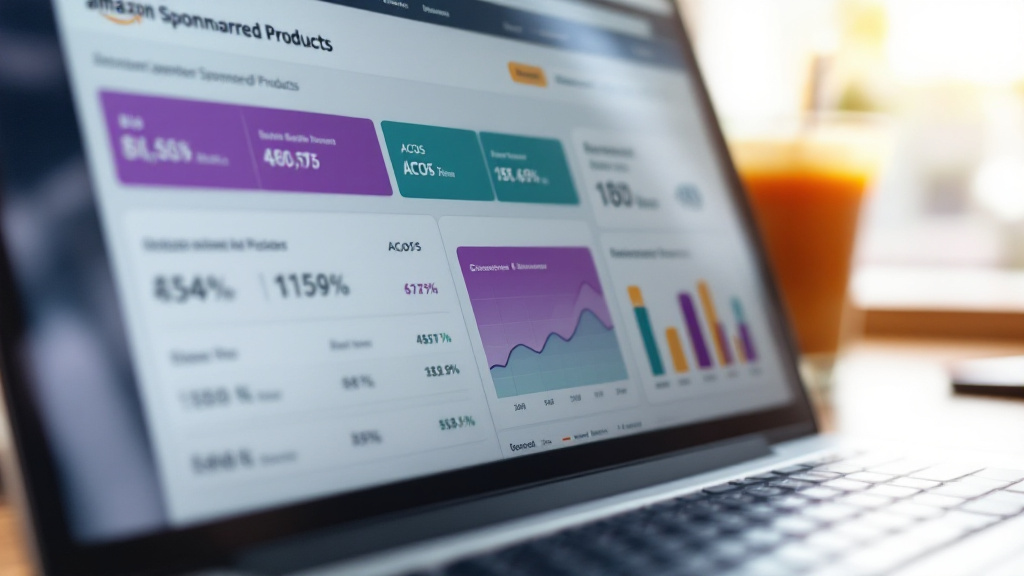
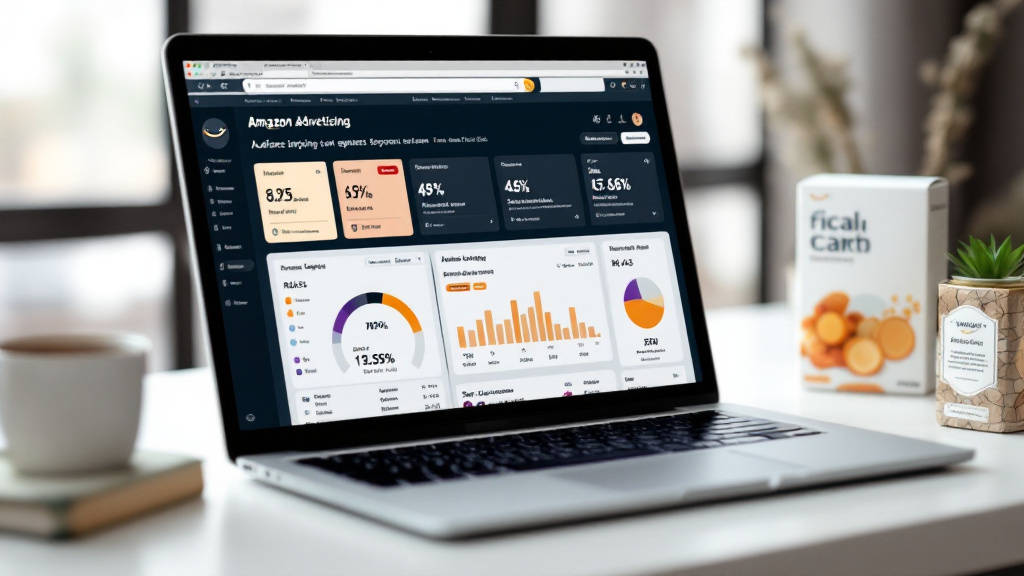
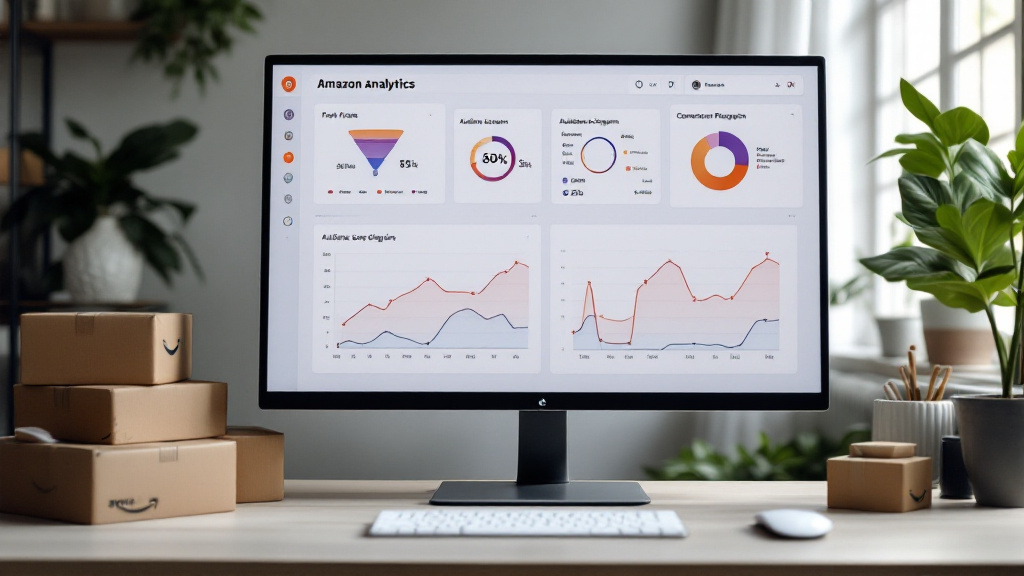
Amazon Marketing Cloud is a clean room data environment that lets brands run SQL queries across their full advertising and retail data. The gap between what AMC shows and what standard Campaign Manager shows is significant. Standard reporting gives you last-touch attribution. AMC gives you the full conversion path, so you can see that a shopper saw a Sponsored Brand video 14 days before converting through a Sponsored Product, and that the total path involved 4 touchpoints across 3 ad types.
For CPG brands running multiple campaign types simultaneously, that path intelligence changes how you should be allocating budget. A partner billing on a percentage of ad spend has a structural incentive to grow your total budget. A partner aligned to your gross revenue has an incentive to find the most efficient path to conversion and cut waste everywhere else. AMC is the tool that makes that distinction visible in the data.
The Signals a Real Operator Pulls From AMC
There are four specific analyses that separate operators using AMC seriously from those treating it as a checkbox. First, new-to-brand purchaser rates by campaign type. If you do not know what percentage of your conversions are first-time buyers versus repeat buyers, you cannot evaluate whether your acquisition spend is building the brand or just harvesting existing demand. Second, household-level frequency analysis. AMC lets you see how many times a household was exposed to your ads before converting. Overexposure increases costs and produces diminishing returns. Without this view, you are almost certainly over-serving the same audience. Third, overlap analysis across ad types. Which campaign combinations drive the highest conversion rates? AMC answers this with statistical precision across 13 months of historical data. Fourth, path to conversion by audience segment. Prime members behave differently than non-Prime. Shoppers arriving from Streaming TV ads convert on different timelines than those from search. A good operator builds bidding and budgeting logic around this segmentation, not averages.
If your current partner is not running these analyses and acting on them in your monthly strategy reviews, ask them directly why not. The answer will tell you whether they are equipped to manage a brand at your scale.
Why Most Agencies Do Not Actually Use AMC at This Depth
The honest answer is capacity and incentive. AMC requires SQL fluency, a structured data team, and time investment that goes well beyond campaign management. An advice-only consultant will tell you AMC matters without having the infrastructure to extract actionable outputs from it. A tool-only vendor will surface a dashboard but will not connect the insights to active campaign decisions. An agency billing on a percentage of ad spend may resist AMC findings that point toward reducing total budget, even when efficiency metrics clearly justify it.
The model matters. An operator-led partner managing your Amazon brand as an extension of their own business uses AMC because it directly improves the outcome they are financially tied to. When your gross revenue grows, they grow. That alignment changes what gets prioritized in the analysis.
AMC and TikTok Shop Are Part of the Same Attribution Problem
One of the most underappreciated dynamics in CPG right now is TikTok Shop's influence on Amazon conversion rates. Shoppers discover a product through a TikTok creator video, search for it on Amazon within 48 hours, and convert through a Sponsored Product ad. The Amazon channel gets full credit. TikTok gets none. Your ad agency declares success on a campaign that was actually riding organic demand generated somewhere else.
Brands running both channels with separate partners will always have this blind spot. AMC data, analyzed alongside TikTok Shop attribution data, gives you a materially cleaner view of what is actually driving demand. Managing TikTok Shop and Amazon as a single channel strategy with unified reporting is not a luxury for brands doing serious volume. It is a baseline requirement for making sound budget decisions in 2025 and 2026.
What to Ask Your Current Partner About AMC
Before your next quarterly review, ask for three specific deliverables. First, a new-to-brand rate report by campaign type for the last 90 days. Second, a household frequency distribution showing how your current audience is being served across all ad types. Third, a path to conversion breakdown for your top three SKUs showing which ad combinations preceded conversion events. If your partner cannot produce these in a reasonable timeframe, you are not getting AMC-level management. You are getting standard campaign reporting repackaged as strategy.
The brands that will compound on Amazon over the next three years are the ones whose partners can operate at this level of data precision. Budget efficiency, new customer acquisition costs, and repeat purchase rates are all measurable and improvable with AMC. The brands that will plateau are the ones whose partners are optimizing for spend volume or relying on last-touch metrics to justify their fees.
Demand more from your data. Demand more from your partner.
Want to see exactly where your brand stands? Get the free CPG Amazon Benchmark Report and see your margins, ad costs, conversion, and fees benchmarked against the real state of Amazon in 2026.
Get the Benchmark Report →