ChatGPT ads are generating real incremental demand for CPG brands, and standard attribution is hiding most of it. WorkMagic's Q3 2026 first-party data shows a wide gap between what last-click reports credit to ChatGPT ads and what incrementality-adjusted measurement actually finds. A controlled geo holdout run with a DTC supplement brand found a substantial halo effect on Amazon sales that click attribution never captured at all.
That Amazon finding is the one CPG brands and their partners need to sit with. If your Amazon reporting and your paid media reporting live in separate silos, you are making budget decisions on a fraction of the signal that actually exists.
Why Last-Click Attribution Fails ChatGPT Ads
ChatGPT ads work earlier in the purchase journey than most paid channels. A shopper enters a conversation, compares products, and forms a preference before they ever tap a link. When they eventually buy, the sale might close on Amazon, through a direct search, or via a retargeting touchpoint. Last-click hands the credit to whichever path the shopper took to complete the transaction, not to the channel that shaped the decision.
This is not a new problem. Marketing attribution has always struggled to credit upper-funnel channels accurately. Platform-level attribution model documentation makes clear that whichever model a brand selects will determine which channels receive credit, and upper-funnel channels consistently lose that contest. ChatGPT ads simply expose the gap more visibly because the influence happens inside a conversational interface that generates no standard referrer signal.
For CPG brands, the practical consequence is a systematic bias toward channels that close transactions rather than channels that generate demand. If your partner is reading ChatGPT ad performance on a last-click basis, they are optimizing against the wrong number.
What Incrementality Testing Actually Showed
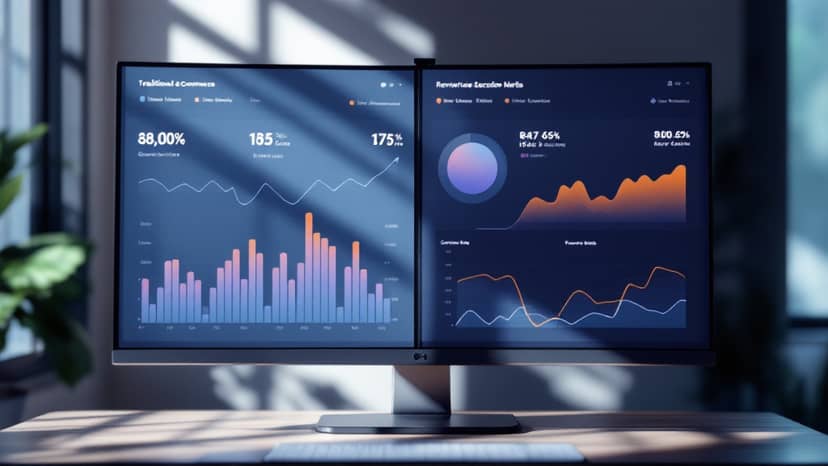
WorkMagic's Q3 2026 dataset compared last-click and incrementality-adjusted views across brands running ChatGPT ads. Brands that looked at only last-click data were systematically undercounting orders, revenue, and new-customer acquisition from the channel. The order gap was the largest single finding: incremental measurement credited substantially more orders, with new-customer acquisition undercounted by a similarly wide margin.
A geo holdout test sharpened that picture. ChatGPT ads were paused in matched U.S. test regions while running normally in control regions. DTC orders under the incremental view came in at a multiple of what click attribution had reported, and a large share came from customers who had never bought from the brand before. The Amazon lift measured in the same test was material enough to change how the brand thought about budget allocation across channels.
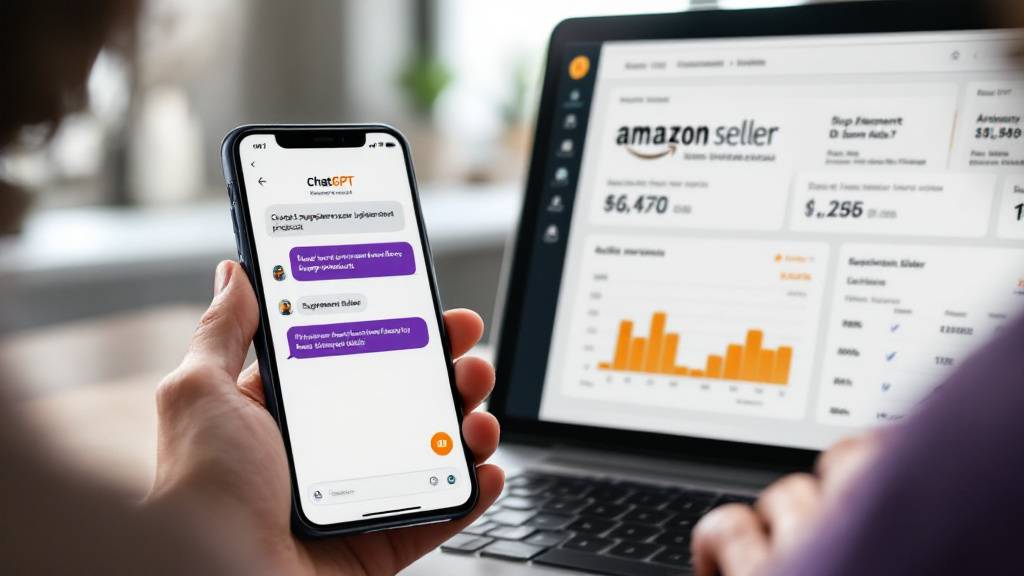
That Amazon halo finding matters most for brands using CPG-focused marketplace partners. A channel that appears to generate demand only on a DTC site may in fact be lifting Amazon conversion and Amazon ranking simultaneously. A partner who only watches Amazon-side metrics will never see this, and a partner who only watches paid media metrics will never connect it to Amazon performance.
What a Strong Operator Does With This Signal
The core problem is not that ChatGPT ads are hard to measure. The core problem is that most brand operators are not structured to connect the signals across channels. An advice-only consultant will tell you to run a lift test and leave the execution to you. An agency billed on a percentage of ad spend has no structural incentive to identify demand that cannot be traced back to a click on a channel they manage. A tool-only vendor will surface the data but not act on it.
A strong operator-led partner connects Amazon performance data, paid media incrementality, and new-customer acquisition into a single operating view. That means flagging when a new paid channel is driving Amazon lift that the Amazon dashboard does not explain. It means adjusting Amazon inventory positioning when off-platform demand signals suggest a surge is coming. It means evaluating new channels like ChatGPT ads against incremental contribution, not platform-reported ROAS.
We buy inventory, contribute to ads, and operate your brand with Eleviam's internal agency arm as if it was our own. That structural alignment creates a reason to care about the full picture, including demand that enters through a ChatGPT conversation and closes on Amazon through a path that last-click reporting never traces.
We have managed over $200 million in Amazon ad spend, scaled over 40 CPG brands, and have a 98% client retention rate. That scale means the patterns in cross-channel attribution are not theoretical. They show up in real brand data, and the brands that act on them protect margin that others leave behind.
Our guide on how to choose an Amazon agency covers what to look for in a partner who operates across channels, not just inside a single dashboard.
What to Ask Your Partner Right Now
If you are running or considering ChatGPT ads, three questions reveal whether your partner is structured to handle the measurement problem correctly.
- How do you measure the Amazon halo effect of off-platform paid channels? If the answer involves Amazon attribution tags and nothing else, the signal gap will persist.
- What is your process when paid media incrementality data conflicts with Amazon-reported attribution? A partner without a process for this question is operating on incomplete information.
- How do you adjust Amazon inventory and ad strategy when a new off-platform channel starts generating demand? Cross-channel signal should inform Amazon operations, not sit in a separate report that nobody acts on.
ChatGPT ads are not a niche experiment. The Q3 2026 data shows they drive material new-customer acquisition and measurable Amazon lift. The brands that measure them correctly and connect that signal to their marketplace operations will build an advantage that last-click competitors cannot see at all.
For brands evaluating their full marketplace setup, our overview of Amazon agency services for CPG brands outlines what the operating model looks like when channel data and marketplace execution are run together.
Want to see exactly where your brand stands? Get the free CPG Amazon Benchmark Report and see your margins, ad costs, conversion, and fees benchmarked against the real state of Amazon in 2026.
Get the Benchmark Report →