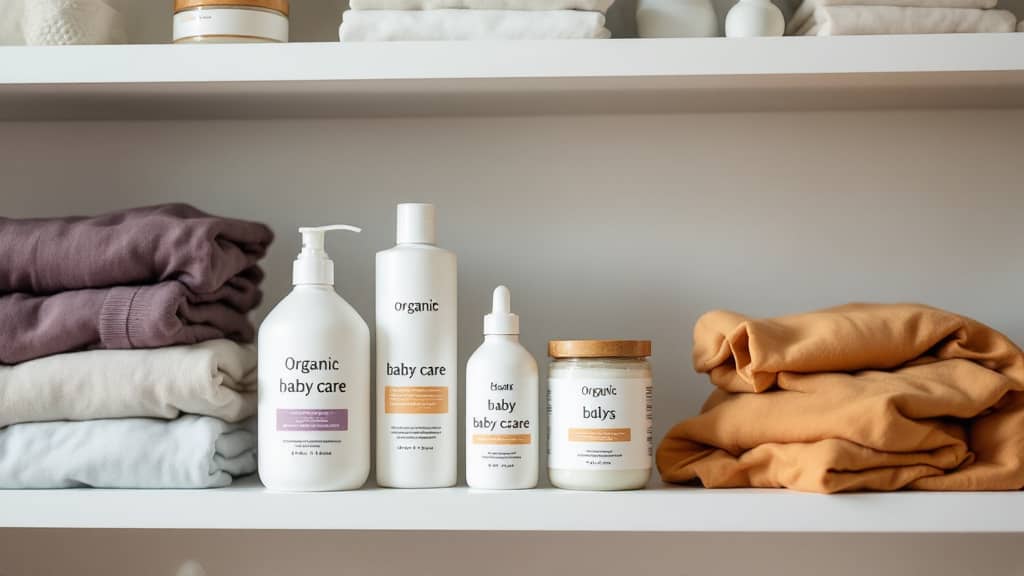
A brand that launches a new product category without Amazon infrastructure in place is handing early market share to whoever moves faster. Monica + Andy's expansion from kids' clothing into baby care, landing first in Walmart and on its own DTC site, illustrates a pattern Eleviam sees constantly: brands that have earned strong retail placement but have not yet built the marketplace engine that would make that category bet pay off at scale.
The baby care category on Amazon is one of the most competitive shelves in CPG. New entrants face entrenched search terms, a review velocity problem on fresh ASINs, and a Buy Box environment that rewards brands who control their own distribution. A clothing brand with strong organic credentials entering this space has a real value proposition. The question is whether the agency or partner managing their marketplace presence is equipped to translate that story into ranked listings, efficient ad spend, and margin-positive growth.
Category Expansion Amplifies Every Operational Gap
When a brand extends into a new category, it does not carry its search authority with it. A brand that ranks well for organic cotton onesies starts at zero for baby shampoo or laundry detergent. That means the first 90 days on Amazon require a specific kind of strategic lift: keyword architecture built for the new category, a listing creative strategy that earns conversion from cold traffic, and a PPC structure that acquires early sales velocity without burning margin in the process.
An advice-only consultant will tell you what to do. A partner that deploys its own capital and manages the account as an operator will execute it, monitor daily, and adjust before a wasted month shows up on a reconciliation report. The difference in outcomes at the 90-day mark is measurable in review count, organic rank, and total advertising cost of sales.
The structural risk for a brand like Monica + Andy, or any CPG brand making a category bet, is that their existing agency was optimized for what the brand already sold. New categories require fresh competitive analysis, different bid strategies, and often a different approach to image and A+ content because the shopper intent signals are not the same. A baby care shopper searching for plant-based baby wash is not the same as a parent shopping for organic kids' clothing. The creative, the copy, and the ad funnel need to reflect that.
What a Real Operator Does Differently in a New Category Launch
The brands that win new category launches on Amazon share a few characteristics in their approach. They treat the first 60 days as a velocity problem, not a margin problem, then shift to margin management once organic rank is established. They build listing architecture around outcome-based language, which aligns exactly with the insight Monica + Andy's founder described: shoppers are buying outcomes, not category labels. Better sleep, soothed skin, gentle cleanse. That framing belongs in the bullet points, the A+ content, and the ad copy from day one.
They also solve distribution before they scale spend. If a new ASIN is suppressed, if the Buy Box is not locked, or if a third-party seller is already listing the product at an inconsistent price, paid traffic is money spent building someone else's position. A partner who manages Buy Box control as a core operating function, not an afterthought, protects the return on every ad dollar spent on that new launch.
An agency billed on a percentage of ad spend has a structural incentive to increase budget, not to reduce waste. That model is particularly damaging during a category launch because the natural instinct is to spend aggressively to build velocity. Without a partner whose compensation is tied to gross revenue and margin outcomes, a brand can burn six figures on a new category and end up with an unprofitable ASIN and a suppressed organic rank.
TikTok Shop and Amazon Should Not Be Separate Conversations
Monica + Andy is already investing in micro-influencer content to drive awareness of the baby care launch. That is smart channel thinking. But awareness content that does not connect to a frictionless purchase path, whether on TikTok Shop or Amazon, leaves conversion on the table.
A TikTok Shop strategy built in isolation from Amazon produces duplicated effort and inconsistent brand presentation. The brands scaling efficiently in 2026 are running both channels as one engine: creator content on TikTok Shop driving trial and first-time buyers, Amazon capturing the repeat purchase and search-intent demand that follows. The infrastructure, the inventory positioning, and the margin math need to be managed together or the efficiency gains disappear.
For a CPG brand entering a new category with a clean ingredient story and a mass retail presence already established, the opportunity is significant. The window to build organic rank and review velocity before the category gets more crowded is finite. The brands that move with a partner who can operate across both channels, manage the Buy Box, and align ad spend to revenue outcomes, not budget size, are the ones who will still hold that position two years from now.
If your brand is planning a category expansion or is already managing multiple product lines across Amazon and TikTok Shop, the question to ask your current partner is simple: are their incentives aligned with your growth, or with their own billing structure?