Pinterest just committed $4 billion to AI infrastructure, and CPG brands without a multi-channel discovery strategy will feel it.
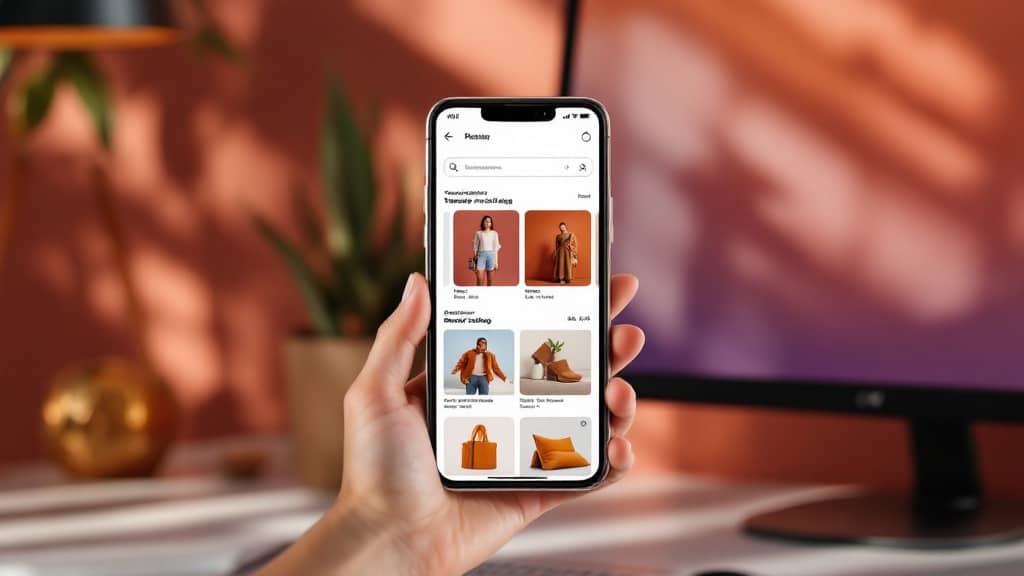
In June 2026, Pinterest launched Ask Pinterest, an experimental AI app built to handle natural-language, multi-step shopping queries. Think: a shopper asking how to plan a dinner party on a budget, not just searching for "candles." The platform retains context across sessions, draws on Pinterest's proprietary taste graph, and feeds user interactions directly into future AI features across the main app. This is not a small product update. This is Pinterest repositioning itself as a full AI shopping assistant, backed by a record $4 billion investment in Amazon Web Services infrastructure.
For CPG brands doing real volume on marketplaces, this shift matters more than most brand operators realize. Here is why, and what separates brands that will benefit from those that will get bypassed entirely.
Discovery Is Being Rebuilt Around Conversational AI, Not Keyword Search
The Ask Pinterest announcement signals a broader trend that is already reshaping how consumers find products. Major retailers including Target, Walmart, and Etsy are embedding their catalogs into Google Gemini, Microsoft Copilot, and OpenAI's ChatGPT. Amazon and Walmart already operate proprietary consumer-facing AI assistants. Pinterest is now joining that group with a visual-first, agentic approach.
What this means practically: a shopper in 2026 is increasingly likely to describe a need conversationally and receive a curated product recommendation, not scroll a search results page. The brands that surface in those recommendations are the ones with optimized listings, strong visual assets, and catalog data structured in ways AI systems can actually interpret and rank.
If your brand's product content is weak on Amazon or underdeveloped on TikTok Shop, you are already losing ground in these AI-driven discovery surfaces. The problem compounds as more platforms pull from the same underlying catalog data.
What Your Agency Partner Should Already Be Doing
The Pinterest development is a useful test. Ask your current agency partner how they are thinking about AI-driven discovery across platforms. The answer will tell you a lot.
- Catalog architecture matters more than ever. AI shopping assistants pull structured product data: attributes, use cases, ingredients, occasion tags, lifestyle context. An agency managing your Amazon catalog should be building listings that serve both algorithm ranking and conversational AI retrieval, not just stuffing keywords for 2019-era search.
- Visual assets are a competitive moat. Pinterest's approach is explicitly visual-first. TikTok Shop is video-native. Amazon's AI features including its own Rufus assistant favor listings with high-quality images and video content. Brands with a single lifestyle photo and a flat-lay are not competing. Your partner should be pushing you on creative output, not just ad spend.
- Cross-platform signals compound. Pinterest's taste graph, TikTok's interest graph, and Amazon's purchase behavior are separate data sets, but they reflect the same consumer. A brand building real traction on TikTok Shop creates social proof and search signals that bleed into Amazon conversion rates. An agency thinking in silos is leaving that compounding effect on the table.
The Consumer Trust Gap Is a Real Execution Risk
The same consumer research cited in this Pinterest news cycle shows a meaningful tension. While 62% of Gen Z and millennials prefer AI-powered shopping tools, 73% of overall consumers express concern about how AI uses their personal shopping data, and seven in ten say surveillance pricing makes them want to shop in stores instead.
This tension creates a specific risk for brands that over-rely on algorithmic channels without building direct consumer relationships. It also creates an opportunity for brands that pair smart marketplace execution with content that builds genuine trust, not just conversion pressure.
A strong operator partner is not just optimizing your ACOS. They are thinking about how your brand's positioning holds up as the discovery environment shifts, how your TikTok Shop content builds credibility before the sale, and how your Amazon presence reflects a brand people want to buy again, not just once.
What Separates Good Operators from Bad Ones Right Now
The brands winning on Amazon and TikTok Shop in 2026 are not winning because they found a smarter bidding strategy. They are winning because their catalog is built for AI retrieval, their creative pipeline is fast enough to stay relevant, and their channel partners are proactive about where discovery is heading, not reactive to where it has been.
- A good partner brings you Pinterest, TikTok, and Amazon trend data in the same briefing, because the consumer is the same person across all three.
- A good partner is already stress-testing your product listings against conversational query formats, not just head keywords.
- A good partner has an opinion on how AI shopping assistants will rank your category in 12 months and a plan to make sure you surface favorably.
Pinterest spending $4 billion to become an AI shopping assistant is a signal, not a threat. The brands positioned correctly across Amazon and TikTok Shop are the ones that will show up when these AI systems serve recommendations. The brands running on outdated catalog strategy and thin creative will not.
The question is whether your current partner sees that or is still optimizing last year's playbook.
Doing $1M+ a year on Amazon or TikTok Shop? Book a qualification call and we'll show you where demand is leaking between the two channels.
Book a Qualification Call →