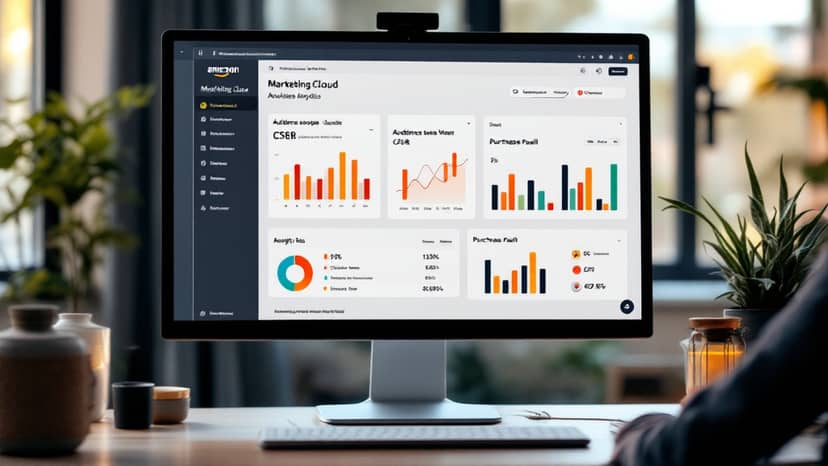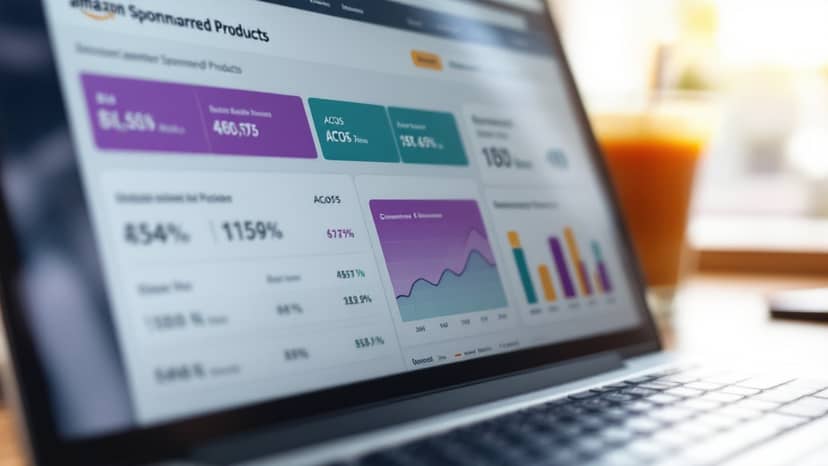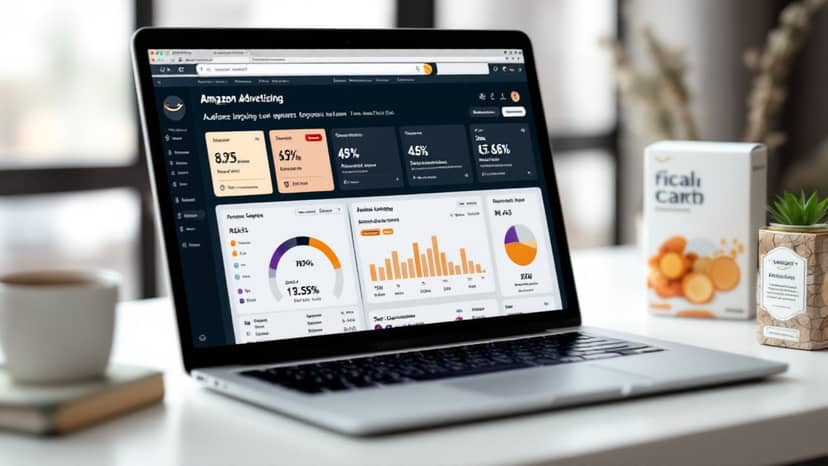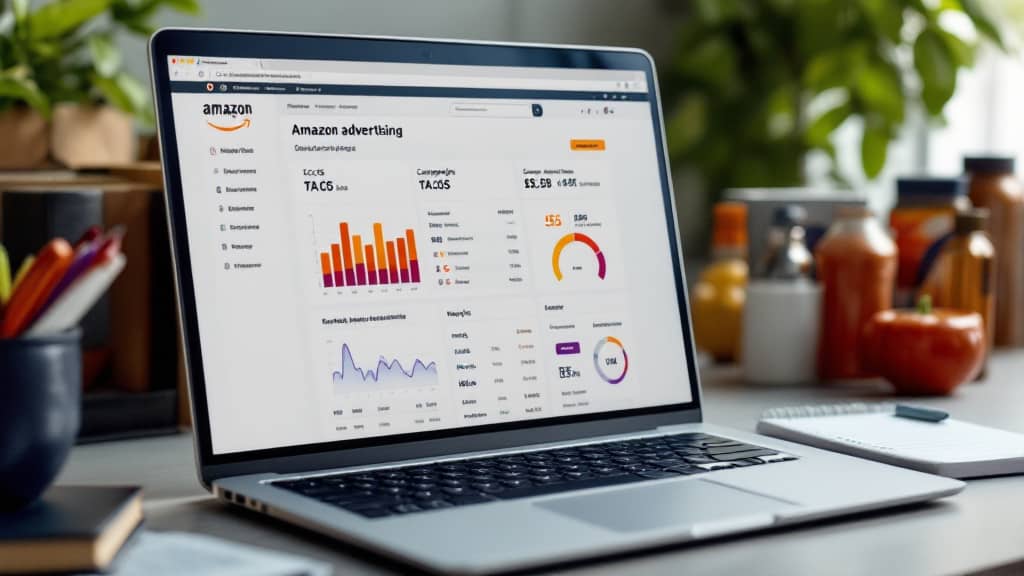
Most CPG brands running Amazon PPC are paying for activity, not results. The difference between a profitable ad account and a bleeding one is rarely the budget. It is the structure of the relationship managing it.
Amazon advertising has been a pay-per-click marketplace since 2012. In the years since, the ecosystem has grown into one of the most competitive ad environments in retail. Costs per click have risen sharply. Category-level TACoS benchmarks have tightened. And the gap between brands with disciplined PPC operators and those with set-it-and-forget-it campaign managers has never been wider.
If your brand is doing over a million dollars a year and still treating paid search as a line item rather than a growth engine, this is the moment to audit who is actually running that engine and whether their incentives are aligned with yours.
The Structural Problem With Most Amazon PPC Arrangements
The most common agency model in Amazon advertising bills on a percentage of ad spend. On the surface, it sounds clean. In practice, it creates a direct conflict of interest: the more you spend, the more they earn. Budget inflation becomes a silent cost that most brands never catch until margins have already compressed.
An operator-aligned partner bills on gross revenue, not ad spend. That single structural difference changes every decision downstream. Keyword selection, match type discipline, negative keyword maintenance, bid adjustments at the SKU level. When the partner earns more as your revenue grows, they are economically motivated to protect your margin, not expand your budget.
Eleviam bills on gross revenue. That alignment is not incidental. It is the foundation of how our Amazon management model operates.
What a Competent PPC Partner Is Actually Doing Behind the Scenes
Keyword research is often where agencies anchor their pitch decks. It sounds sophisticated, and it is genuinely complex work. But keyword selection is the starting point, not the deliverable. Here is what separates operators who drive revenue from those who simply run campaigns:
- Intentional match type architecture. Exact, phrase, and broad match campaigns are not interchangeable. A disciplined operator builds separate campaign structures for each, isolates performance data, and uses that data to make targeted bid decisions. Brands that run mixed-match campaigns are operating blind.
- Negative keyword discipline. Wasted spend on irrelevant search terms is one of the fastest ways to inflate TACoS without improving sales. A real operator runs weekly search term reports and cuts non-converting traffic systematically. Most percentage-of-spend agencies have no financial incentive to do this.
- Margin-aware keyword prioritization. AI tools can surface hundreds of keyword suggestions based on search volume and competitive relevance. But volume alone is not a strategy. A partner who understands your unit economics will rank keywords against your margins and conversion probabilities, not just their search impressions. This is work that requires human judgment, not automation.
- TACoS as the north star metric. Click-through rate and ROAS are useful signals. Total Advertising Cost of Sale is the metric that tells you whether your PPC investment is actually building the business. If your agency is not reporting against TACoS at the brand level, they are not managing your account strategically. Reducing TACoS systematically is one of the highest-leverage levers available to CPG brands on Amazon.
Red Flags to Watch for When Evaluating a PPC Partner
Not every agency operates poorly, but certain patterns reveal structural misalignment quickly. Watch for these signals during any agency evaluation:
- They lead every conversation with budget recommendations rather than account architecture.
- They cannot explain their negative keyword cadence or show you a search term report without being asked.
- Their reporting dashboard emphasizes impressions and clicks over contribution margin and TACoS.
- They offer campaign management without any connection to your organic rank, listing quality, or inventory position.
- They treat TikTok Shop as a separate conversation rather than an integrated part of your retail media strategy.
That last point matters more than most brands realize. Amazon and TikTok Shop are increasingly feeding each other. Viral content on TikTok drives Amazon search volume for specific SKUs. Amazon conversion data reveals which product angles resonate and should be tested in short-form content. Agencies that treat these as siloed channels are leaving cross-platform compounding on the table.
Eleviam runs both. Our TikTok Shop management and Amazon operations are connected by design, not bolted together as an afterthought.
When to Stop Managing PPC In-House
The honest answer is earlier than most brands act on it. The internal cost of managing Amazon PPC at scale is almost always underestimated. It is not just the hours in Seller Central. It is the opportunity cost of a founder or brand manager spending 15 hours a week in bid adjustments instead of building distribution, launching SKUs, or negotiating retail accounts.
Beyond time, there is the cost of structural mistakes that compound quietly. A mis-configured campaign in January can distort your performance data for a full quarter. Brands that bring in an operator-led partner after 12 months of in-house management almost universally discover wasted spend, missed negative keywords, and campaign structures that have been limiting organic rank without anyone catching it.
Per analysis across Amazon advertising accounts, brands running without dedicated PPC operators typically carry 20 to 35 percent higher TACoS than category benchmarks. That spread represents real margin left on the platform.
The Standard Your Partner Should Be Held To
Your Amazon PPC partner should be able to show you, in a single reporting view: TACoS by campaign type, negative keyword actions taken in the past 30 days, organic rank movement for your top 10 keywords, and how paid and organic are interacting at the ASIN level. If they cannot produce that view on demand, you are not working with an operator. You are working with an agency that manages spend and reports on it.
CPG brands scaling past seven figures need partners with skin in the game, structural alignment, and the operational depth to run both the paid and organic levers simultaneously. Anything less is a cost center dressed up as a growth strategy.
Want to see exactly where your brand stands? Get the free CPG Amazon Benchmark Report and see your margins, ad costs, conversion, and fees benchmarked against the real state of Amazon in 2026.
Get the Benchmark Report →