Most Amazon Agencies Are Flying Blind on Attribution
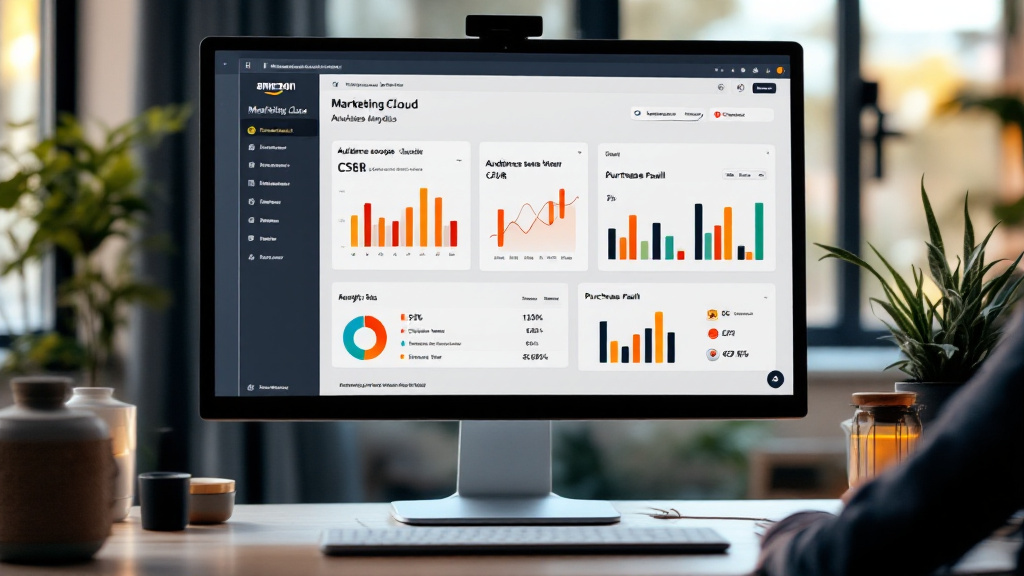
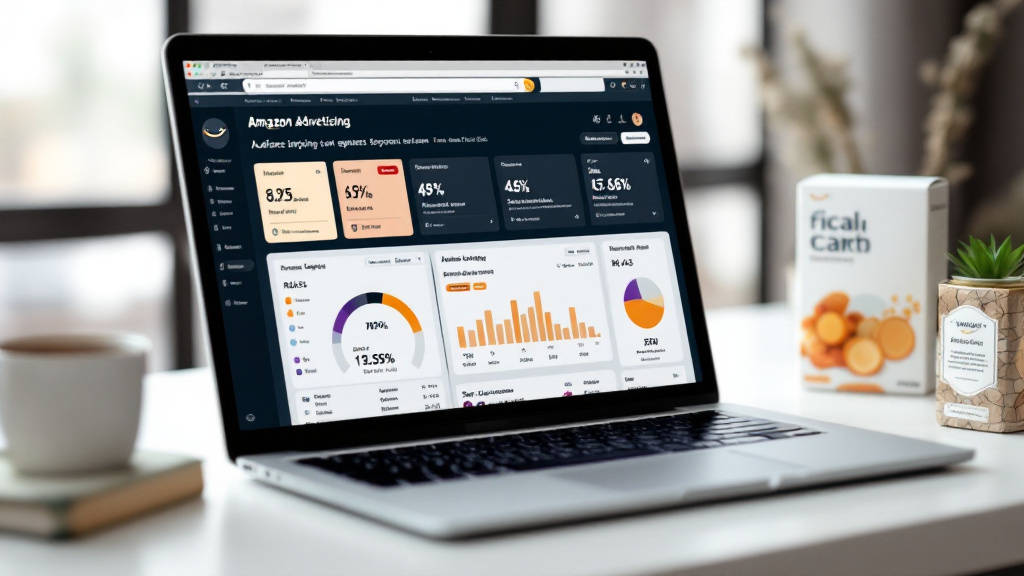
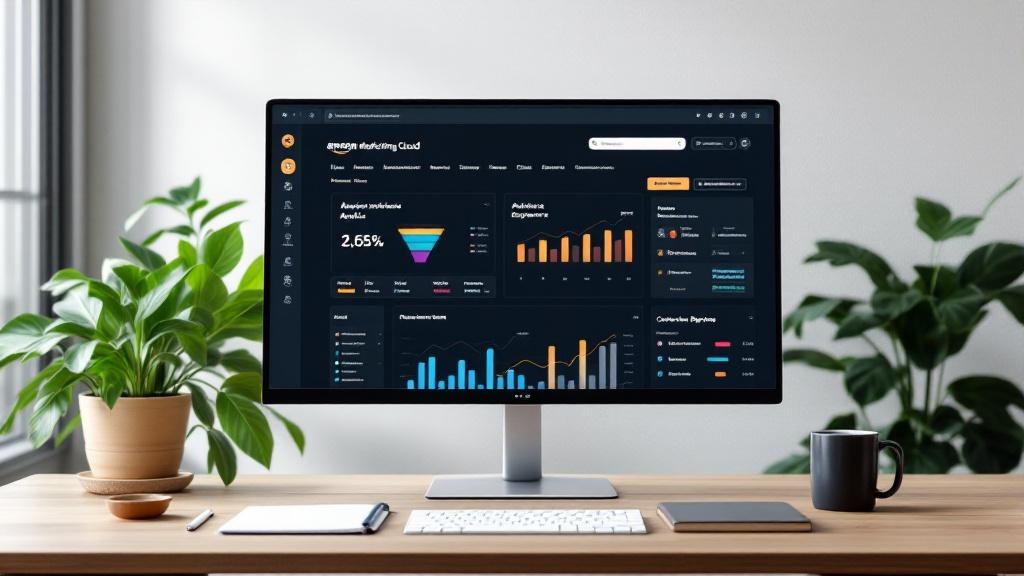
Amazon Marketing Cloud gives brands a granular, household-level view of how shoppers move from first touch to purchase. The brands winning on Amazon in 2024 are not the ones spending more on ads. They are the ones whose partners actually know how to read AMC data and act on it within 30 to 60 days of a campaign launch.
If your current agency cannot tell you the average number of ad touchpoints a customer hits before converting, or the percentage of your buyers who are net-new to your brand versus repeat purchasers, they are managing your catalog on instinct. That is a margin problem disguised as a growth strategy.
What AMC Actually Unlocks for CPG Brands
Amazon Marketing Cloud is a clean room analytics environment. It connects Sponsored Products, Sponsored Brands, Streaming TV, and DSP exposure data at the user level, then ties it to actual purchase behavior. For CPG brands doing meaningful volume, this means you can finally answer questions that standard Campaign Manager dashboards cannot touch:
- How many impressions does a new-to-brand shopper require before converting for the first time?
- Which ad formats drive the highest lifetime value customers, not just the lowest cost-per-click?
- Where do DSP and Sponsored Ads overlap, and how much budget is being wasted on duplicate reach?
- What is the true incrementality of your upper-funnel spend when isolated from organic demand?
These are not vanity metrics. For a brand doing $100K per month on Amazon, a 15% reduction in wasted overlap spend alone can recover $10,000 to $15,000 in monthly ad cost. The data to find that waste already exists inside AMC. The question is whether your partner knows how to surface it.
The Gap Between Agencies That Report AMC and Agencies That Operate on It
There is a significant difference between an agency that pulls AMC reports and one that builds its entire media strategy around AMC outputs. Most agencies fall into the first category. They will show you a dashboard with path-to-conversion data and multi-touch attribution charts. Very few will actually restructure your DSP audiences, adjust Sponsored Brands sequencing, or shift budget allocations based on what the AMC cohort analysis reveals.
The operational question to ask any prospective partner is simple: show me a case where AMC data changed a campaign decision within the last quarter. If they cannot point to a specific SKU, a specific audience adjustment, and a measurable outcome, they are using AMC as a reporting trophy, not a growth tool.
For context on how Amazon structures AMC's capabilities for advertisers, Amazon's own AMC documentation outlines the clean room architecture and query types available to brands. A serious partner should be running custom SQL queries against your brand's data, not relying on pre-built AMC templates.
What Separates Good Operators on AMC From Average Ones
Strong operators use AMC to solve three specific problems that cost CPG brands real money every month.
First, frequency management across ad types. Without AMC, you have no visibility into how many times a single household sees your brand across Sponsored, DSP, and streaming placements combined. Brands routinely over-serve the same converted customers while under-investing in new audience acquisition. AMC shows you where the ceiling is and where the floor has dropped out.
Second, new-to-brand revenue isolation. Amazon's standard attribution lumps repeat buyers and first-time buyers together in most reporting views. AMC lets you segment campaigns by whether they drove net-new customers. If 80% of your Sponsored Products revenue is coming from existing customers reordering, your acquisition funnel is broken and your blended ROAS is masking the problem.
Third, cross-channel sequencing. For brands running both Amazon and TikTok Shop, AMC can help model how upper-funnel awareness spend on one platform influences conversion behavior on another. This is where having a partner managing both channels simultaneously becomes a structural advantage. Siloed channel management means siloed data, and siloed data means suboptimal budget allocation.
Why This Matters More as Your Volume Grows
At $75K per month, campaign inefficiency is annoying. At $300K per month, it is a margin crisis. The brands that scale past $500K per month on Amazon almost universally share one characteristic: their agency treats AMC as an operational input, not a quarterly deliverable.
The average CPG brand running $150K per month on Amazon is leaving between 12% and 20% of ad spend in inefficient placements, duplicated reach, or misallocated budget between acquisition and retention. That range comes from the structural gaps in how most agencies manage media without clean room data. Amazon Ads research has consistently shown that brands using advanced measurement tools like AMC outperform peers on new-to-brand customer acquisition rates over 12-month windows.
An aligned partner, one that earns more when your brand earns more, has a direct financial reason to close that gap. An agency on a flat retainer does not.
What to Demand From Your Amazon Partner on AMC
Before signing any Amazon management contract, ask for the following in writing:
- Monthly AMC query cadence with custom audience segment outputs
- Documented process for translating AMC cohort data into DSP audience updates
- New-to-brand revenue tracked separately from repeat purchase revenue in all reporting
- Overlap analysis between Sponsored and DSP placements run at minimum quarterly
- Clear explanation of how AMC findings influence budget reallocation decisions
If the agency hesitates on any of these, you are being sold reporting, not results. The brands that compound on Amazon are the ones whose partners treat data infrastructure as a competitive asset, not a line item on a slide deck.
Running $75k+/month on Amazon or TikTok Shop? Book a free 30-minute audit call and we'll show you exactly where the margin is leaking.
Book a Free Call →