Amazon DSP Is Not a Set-It-and-Forget-It Ad Channel
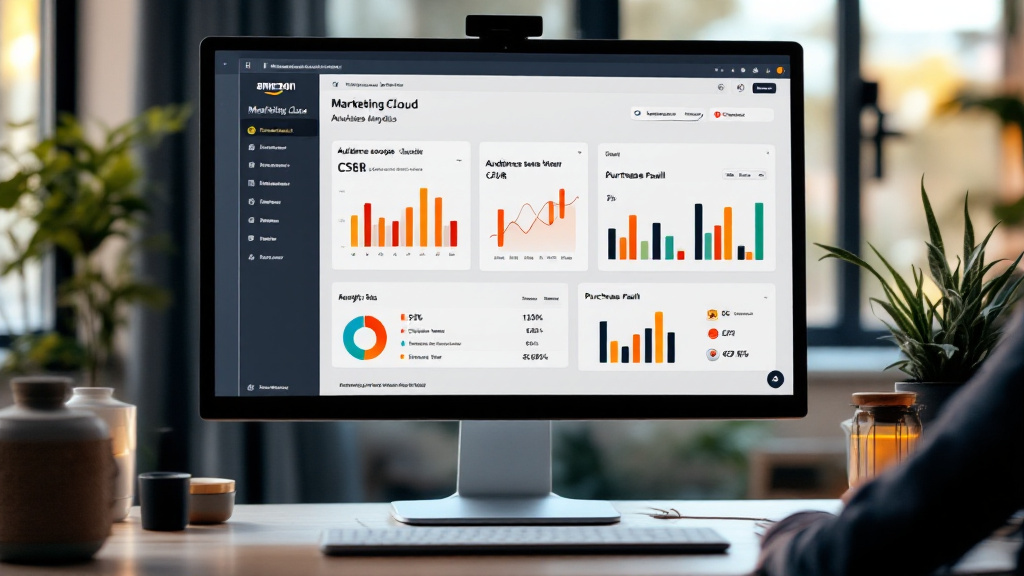
Brands that treat Amazon DSP as a passive awareness play are leaving significant revenue on the table. The demand-side platform gives advertisers programmatic access to Amazon's first-party shopper data across its own properties and third-party inventory, meaning a well-run DSP account reaches buyers before, during, and after they visit Amazon. For CPG brands doing serious monthly volume, that reach is the difference between owning a category and renting shelf space inside it.
But here is the part most brands get wrong: DSP is not self-serve in any meaningful sense. It requires a minimum spend commitment, proprietary audience architecture, and creative that performs across display, video, and streaming formats simultaneously. Handing it to a generalist media buyer is roughly equivalent to hiring a line cook to run your commercial kitchen.
What Separates a Strong DSP Operator from an Average One
The gap between a competent DSP manager and an excellent one shows up in three places: audience segmentation, frequency management, and attribution discipline.
- Audience segmentation: Amazon's in-market, lifestyle, and contextual audiences are only as useful as the logic applied to them. A strong operator builds suppression lists that exclude recent purchasers, builds retargeting windows calibrated to your category's repurchase cycle, and tests lookalike audiences against your actual customer file rather than generic category proxies.
- Frequency management: Overexposure kills brand sentiment faster than poor creative. The right partner monitors frequency caps weekly, not monthly, and adjusts them against real conversion data rather than industry benchmarks that may have nothing to do with your SKU or shopper profile.
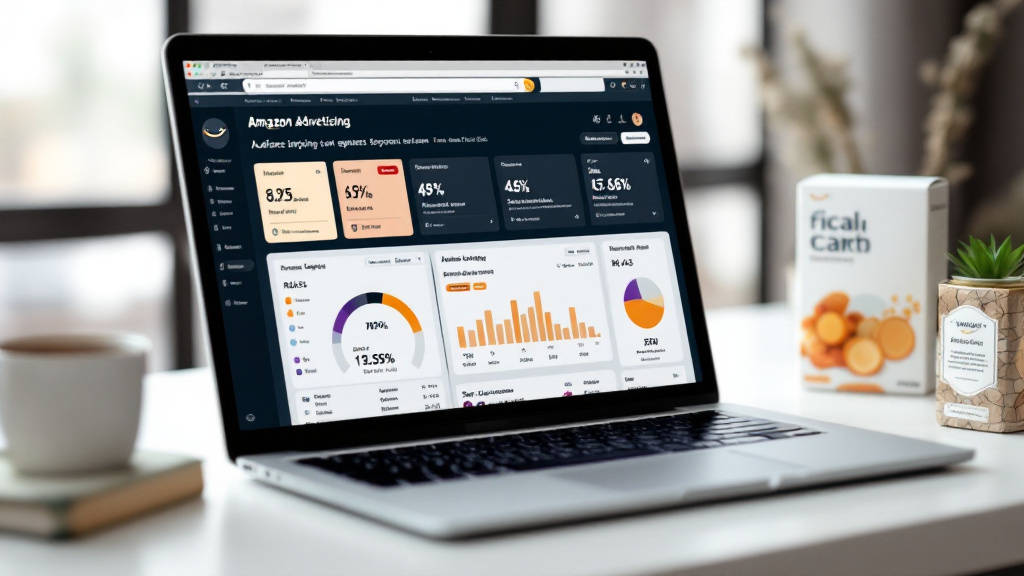
- Attribution discipline: DSP attribution defaults to a 14-day view-through window, which can make the channel look more efficient than it actually is. Operators who know what they are doing cross-reference DSP performance against branded search lift, new-to-brand customer acquisition rates, and total detail page views. If your agency is reporting DSP ROAS in isolation, that is a red flag worth addressing immediately.
Why DSP Only Works When the Rest of Your Amazon Presence Is Locked In
Running DSP against a listing with mediocre images, weak A+ content, or an uncompetitive price is like driving paid traffic to a broken landing page. The clicks happen. The conversions do not. DSP amplifies what already exists on your product detail page, which means every dollar you spend on upper-funnel awareness is either compounded by a strong listing or wasted by a weak one.
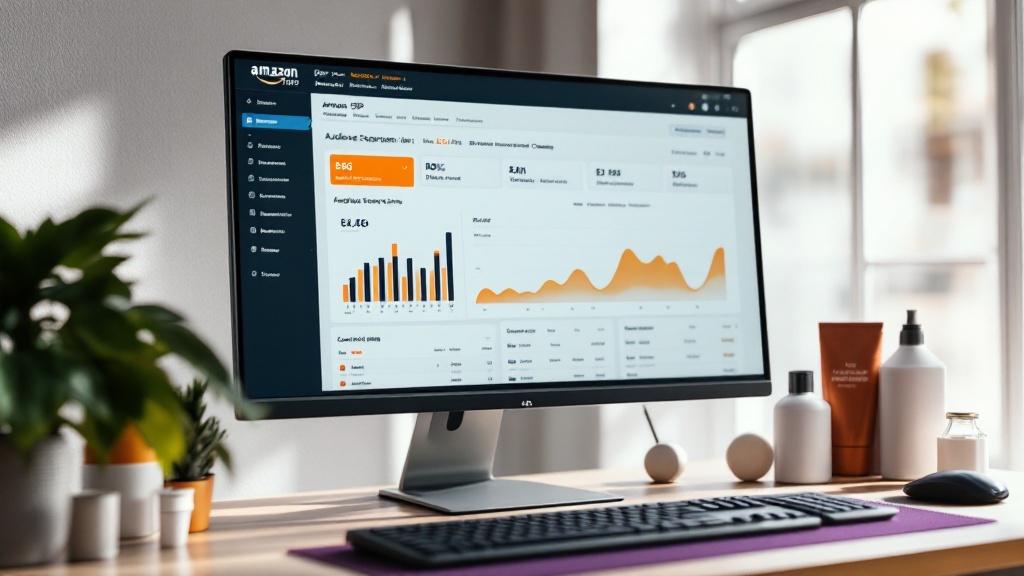
This is why brands that manage DSP in isolation from their broader Amazon account almost always underperform. The channel requires coordination across catalog hygiene, sponsored ads, inventory positioning, and creative assets. A partner who only manages one piece of that stack cannot optimize the whole system.
At Eleviam, we operate as both a full-service agency and an exclusive 3P distributor, which means our incentives are structurally aligned with your revenue, not your ad spend. When we run DSP for a brand, we are accountable to the same P&L that the DSP is supposed to improve. That accountability changes how decisions get made at every level of the account.
The TikTok Shop Layer: What Amazon DSP Operators Often Miss
DSP's reach outside Amazon has expanded significantly, but there is still a ceiling on how far first-party Amazon data can take you when a meaningful portion of your category's discovery is happening on TikTok. CPG shoppers increasingly find products through short-form video, then purchase on Amazon or directly through TikTok Shop. Brands running DSP without a coordinated TikTok presence are optimizing one side of a two-channel funnel.
The brands winning right now are the ones whose DSP retargeting audiences include shoppers who discovered the product on TikTok, and whose TikTok creative explicitly handles the objections that show up in Amazon review data. That kind of cross-channel intelligence does not happen by accident. It requires a partner who operates across both platforms with full visibility into the data on each side.
What to Ask Any DSP Partner Before You Sign
Before committing budget to any DSP manager, ask these four questions directly:
- What is your minimum DSP spend threshold, and how does that affect audience scale for a brand at my monthly revenue level?
- How do you separate DSP-attributed sales from sales that would have happened anyway through organic and sponsored channels?
- What does your creative testing cadence look like, and who owns production when a creative needs to be refreshed mid-flight?
- How do you coordinate DSP strategy with the sponsored ads and listing optimization happening in the same account?
If the answers are vague, or if the partner treats DSP as a standalone service disconnected from the rest of your Amazon account, keep looking. The channel is powerful, but only in the hands of someone managing the full picture. Amazon's own DSP documentation makes clear how many variables are in play; a partner who simplifies it too much is glossing over the parts that actually drive performance.
The Brands That Win on DSP Have One Thing in Common
They did not try to run it internally. DSP is not a channel you learn on the job with your own ad budget. The minimum spend requirements, the audience architecture complexity, and the coordination required across creative, catalog, and sponsored ads make it a full-time operational commitment. Brands that scale past $75K per month and stay there are the ones who found a partner with the infrastructure to run it properly, then held that partner accountable to outcome metrics rather than vanity metrics.
That is the standard worth setting before you spend the first dollar.
Running $75k+/month on Amazon or TikTok Shop? Book a free 30-minute audit call and we'll show you exactly where the margin is leaking.
Book a Free Call →