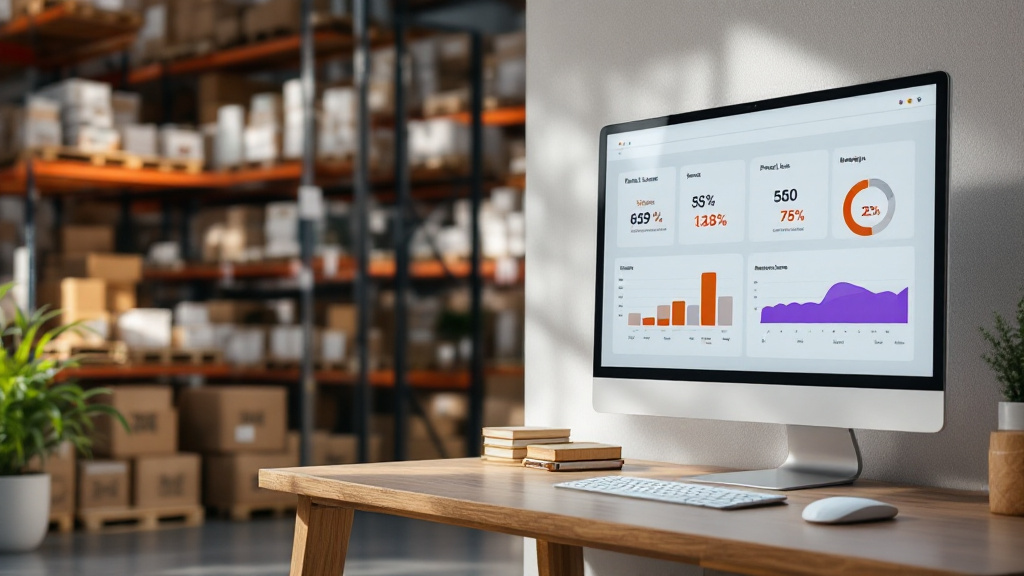
Most CPG brands hit $75K/month on Amazon and then stop growing for the same reasons.
The catalog looks fine. The reviews are decent. Sales are consistent enough that nothing feels broken. But the brand is leaving 30 to 50 percent of its potential revenue on the table every single month, and the operators running it have no idea where the leak is. That is the plateau problem, and it is far more common than most brand owners admit.
Scaling past that ceiling is not about working harder on the same inputs. It requires a fundamentally different operating model, one that treats Amazon and TikTok Shop as interconnected revenue channels rather than isolated storefronts, and one that has the infrastructure to execute across both simultaneously.
The Catalog Audit Is Where Real Operators Start
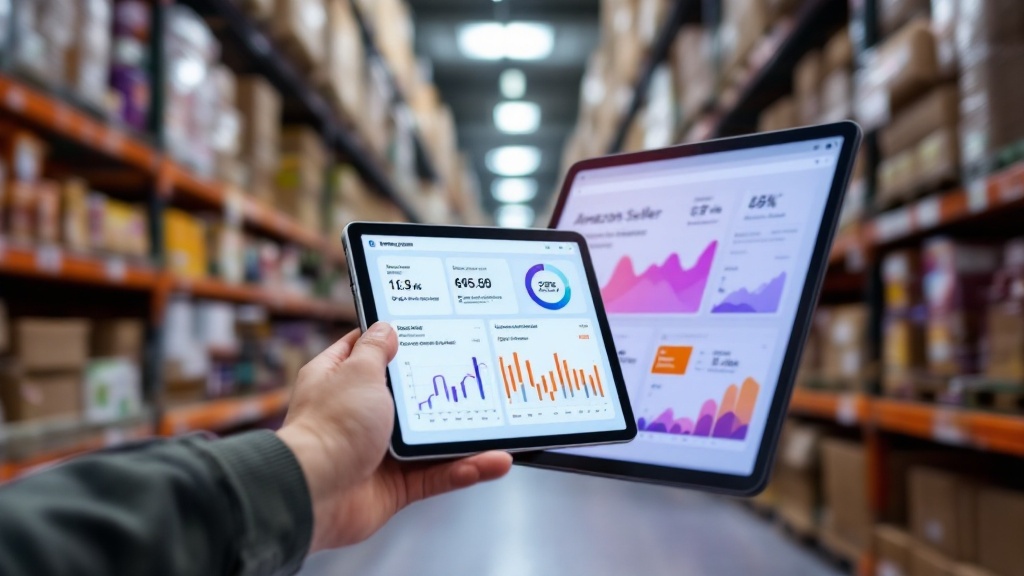
Before any agency touches your ad spend or your inventory plan, they should be conducting a rigorous catalog audit. This means going line by line through every ASIN: conversion rate by traffic source, indexed keywords versus ranking keywords, Buy Box ownership history, and suppression risk flags. Most brands have never seen this data assembled in one place.
What a good operator finds in that audit tells you everything about the quality of the partnership you are about to enter. If they come back with a generic deck about brand awareness and top-of-funnel reach, walk away. If they come back with specific revenue recovery opportunities tied to specific ASINs, you are talking to someone who knows the channel.
The brands that break through the $75K ceiling consistently have one thing in common: their Amazon partner treats catalog health as a revenue line item, not a housekeeping task.
Advertising Efficiency Is a Symptom, Not a Root Cause
A bloated TACoS is almost never purely an advertising problem. It is usually a symptom of weak organic rank, poor conversion rate, or catalog fragmentation where spend is being distributed across too many ASINs without a coherent rank strategy behind it. Brands get quoted on TACoS reduction without anyone addressing the underlying organic deficits that are causing the inefficiency in the first place.
A rigorous partner looks at the ratio of branded to non-branded search volume, the gap between indexed keywords and ranking keywords in the top 20 positions, and the historical trajectory of organic rank for priority ASINs before making a single change to campaign structure. Advertising and organic rank are not separate workstreams. They are the same workstream, and they need to be managed by the same team with the same data.
Brands scaling from $75K to $300K per month on Amazon are typically not doing it by spending more on ads. They are doing it by building organic rank velocity on high-volume, high-intent keywords and using paid traffic to accelerate that trajectory, not substitute for it.
TikTok Shop Is Not a Bonus Channel Anymore
For CPG brands in food, beverage, wellness, and personal care, TikTok Shop has moved from experimental to essential in under 18 months. TikTok Shop's own data shows that categories like supplements, snacks, and skincare are seeing conversion rates that rival or exceed Amazon for impulse and discovery-driven purchases. The audience skews younger, the content costs are lower than traditional digital advertising, and the affiliate creator ecosystem means brands can generate performance-based reach without guaranteed media budgets.
The mistake brands make is treating TikTok Shop as a separate project requiring separate attention. The brands seeing the highest compound growth are the ones whose Amazon operator also manages their TikTok Shop presence, because the data flows both directions. A viral TikTok moment drives branded search on Amazon. Strong Amazon reviews provide social proof that lifts TikTok Shop conversion. These two channels amplify each other when they are managed as a system.
If your current Amazon partner has no TikTok Shop capability, that gap will cost you more as 2025 progresses. The window to build early share in high-growth TikTok Shop categories is open now and will not stay open indefinitely.
Distribution Structure Determines Your Negotiating Position
One of the most consistently overlooked factors in Amazon performance is distribution structure. Brands that are selling 1P to Vendor Central, 3P through their own seller account, and also through unauthorized third-party resellers are fighting three separate battles simultaneously, and usually losing at least one of them at any given time.
A clean 3P exclusive distribution arrangement, where a single accountable partner controls the buy box and enforces MAP pricing across the catalog, eliminates a category of recurring operational problems that compound over time: suppressed listings from pricing violations, review dilution from counterfeit or parallel import units, and margin erosion from reseller undercutting.
This is not a minor operational preference. Brands with clean distribution consistently outperform comparable brands with messy distribution on organic rank stability, conversion rate, and advertising efficiency. The math is straightforward: when you control who is selling and at what price, your advertising dollars defend a position instead of competing against it.
What to Demand From Your Amazon Partner in 2025
The standard for what constitutes a serious Amazon operator has risen sharply. The brands growing fastest are working with partners who bring four things to the table: a catalog audit methodology that surfaces specific revenue recovery opportunities before a contract is signed, integrated PPC and organic rank management under one strategy, active TikTok Shop management with creator affiliate programs running in parallel, and clean 3P distribution with full Buy Box control and MAP enforcement.
If your current setup is missing two or more of those four elements, the plateau you are experiencing is not a market problem. It is an operator problem. The good news is that it is fixable, and the revenue recovery timeline for brands that make the right change is typically measured in quarters, not years.
Running $75k+/month on Amazon or TikTok Shop? Book a free 30-minute audit call and we'll show you exactly where the margin is leaking.
Book a Free Call →