The average CPG brand on Amazon loses 18 to 24 percent of gross revenue to fees, ad waste, and operational inefficiencies that a competent operator would have caught in the first 90 days. That number is not theoretical. It shows up consistently when you pull a real P&L against actual Amazon fee structures, and it represents the gap between brands that treat Amazon as a channel and brands that treat it as a managed business.
The Fee Blindspot Most Brands Never Audit
Amazon's fee architecture is not static. FBA rates, referral percentages, storage surcharges, and low-inventory penalties shift multiple times per year. Brands that set their pricing once and revisit it quarterly are almost certainly eroding margin without knowing it. The damage compounds: a 2 percent referral rate increase on a $5M revenue brand is $100,000 gone before a single ad dollar is counted.
A serious partner audits this in real time. Not in a quarterly review deck but inside the actual account, against actual SKU-level contribution margins. That is the difference between an advisor who tells you there is a problem after the quarter closes and an operator who prevents the problem from compounding in the first place. If your current partner is not delivering SKU-level margin analysis monthly, you are flying with instruments that are 90 days behind.
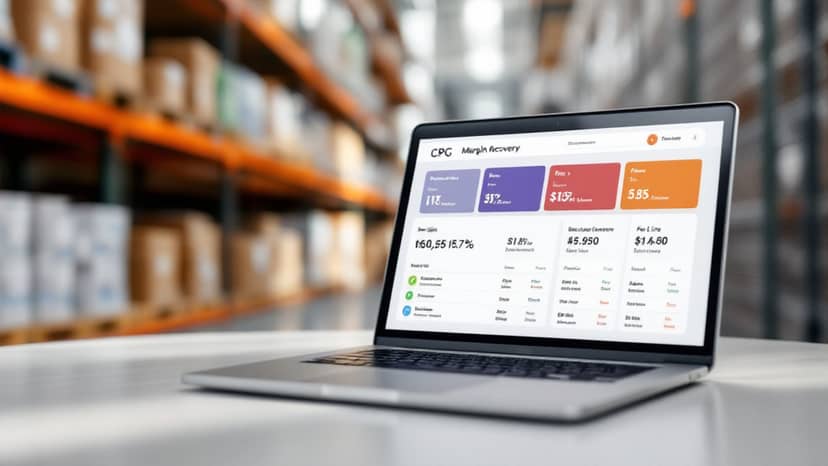
Brands that want a structured view of where their margins actually stand should start with a real benchmark. Amazon margin recovery is not a one-time fix; it is an ongoing operational discipline that separates sustainable brands from ones that scale revenue while shrinking profit.
Ad Spend That Rewards the Agency, Not the Brand
One of the most structurally misaligned models in Amazon marketing is the agency that bills on a percentage of ad spend. When a partner earns more as you spend more, there is no financial incentive to reduce waste. There is every incentive to push budgets higher, approve broad match keywords that generate impressions but not conversions, and report on ROAS figures that look strong in a slide deck but do not connect to contribution margin.
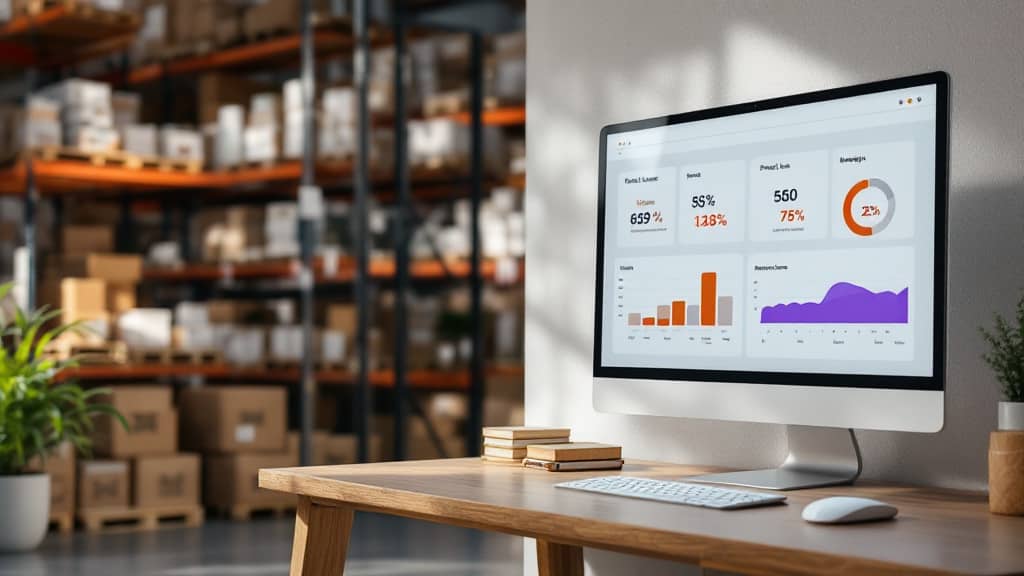
The correct metric is TACoS: total advertising cost of sales measured against total revenue, not just ad-attributed revenue. A brand spending 15 percent TACoS on a product with 30 percent gross margin is operating with almost no room for fees, returns, or growth investment. The question your partner should be answering every month is not what is our ROAS but what is our TACoS doing to our margin at the SKU level.
Brands scaling past $2M in annual revenue on Amazon should be actively working to compress TACoS as organic rank improves. Reducing TACoS systematically requires a partner who is aligned to your profitability, not one whose revenue goes up when your ad spend does.
What Distributor-Only Models Miss
Some brands have moved to a third-party distribution model where a distributor buys inventory wholesale and manages the Amazon listing. On paper this looks clean: one purchase order, predictable revenue, no operational complexity. In practice, the distributor has no incentive to optimize your listing, run creative testing, protect your Buy Box, or build organic rank. Their margin comes from the spread on inventory, not from your brand's growth trajectory.
The result is a brand that has outsourced both control and upside. Listing quality decays. Unauthorized sellers appear. Review velocity stalls. And because the distributor owns the relationship with Amazon, the brand has limited visibility into what is actually happening inside the account. When problems surface, they surface late and they surface large.
A model that combines exclusive 3P distribution with a full agency operation solves this structurally. The distributor incentive and the growth incentive are the same. That alignment changes every operational decision, from how aggressively you defend the Buy Box to how quickly you respond to a listing suppression.
TikTok Shop Is Not a Separate Channel Decision
Brands evaluating TikTok Shop often frame it as an add-on: something to test with a small budget once Amazon is stable. That framing costs velocity. TikTok Shop content drives search behavior on Amazon. A product that trends on TikTok sees measurable organic rank improvement on Amazon within 14 to 21 days if the brand has content volume and affiliate activation running simultaneously.
The brands capturing this are not running TikTok Shop as a separate experiment. They are running it as part of an integrated demand generation strategy where creator content, affiliate commission structure, and Amazon listing optimization are coordinated. That coordination requires a partner who manages both channels simultaneously, not two separate vendors who report separately and never share data.
For CPG brands specifically, the opportunity is significant. Categories including supplements, food and beverage, personal care, and household goods are seeing TikTok Shop conversion rates that exceed Amazon in the 18 to 34 demographic. Brands that wait for the channel to mature are watching competitors build the organic presence they will have to buy their way into later.
What to Demand From a Partner in 2026
The bar for what constitutes a capable Amazon and TikTok Shop partner has moved considerably in the last 18 months. Brands doing more than $1M annually should expect monthly SKU-level P&L reporting, proactive fee audit cadences, TACoS targets tied to margin thresholds not ad budgets, and a clear operational plan for how Amazon and TikTok Shop feed each other.
If your partner cannot show you contribution margin by SKU, cannot explain how your TACoS is trending against your organic rank improvement, and is not actively building your TikTok Shop affiliate roster as a demand signal for Amazon, you are working with a vendor, not an operator. The distinction matters more every quarter as competition on both platforms intensifies and margin compression becomes the defining challenge for scaling CPG brands.
Choosing the right operational partner is not a vendor selection decision. It is a structural decision about how your brand competes on the two most important CPG sales channels in the United States. Understanding what separates strong operators from advisory-only agencies is the starting point for making that decision well.
Want to see exactly where your brand stands? Get the free CPG Amazon Benchmark Report and see your margins, ad costs, conversion, and fees benchmarked against the real state of Amazon in 2026.
Get the Benchmark Report →