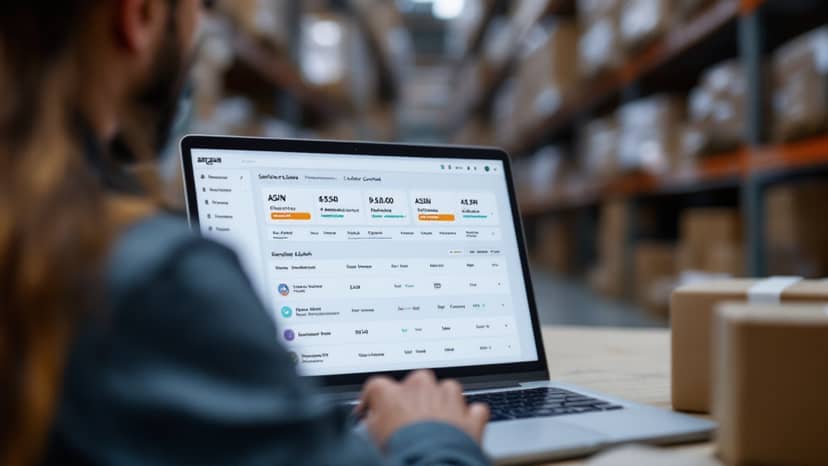
On July 27, 2026, Amazon begins auto-rewriting any product title longer than 75 characters using its own AI model, and the listings it touches first will be your highest-traffic ones. For CPG brands managing hundreds of ASINs, this is not an optimization task. It is a catalog integrity crisis that requires a structured response from a partner who understands both search indexing and brand positioning at scale.
What Is Actually Changing
Amazon is enforcing a 75-character title limit across every category except media. Titles that exceed that limit and are not updated before the deadline will be rewritten automatically using Amazon's AI. The AI optimizes for compliance, not for your keyword strategy, your brand voice, or your conversion history.
At the same time, Amazon is introducing a new 125-character Item Highlights field that is searchable, appears directly below the title in search results, and is parsed by AI shopping tools like Alexa for Shopping when answering comparison queries. This field is optional, but leaving it empty means walking away from net-new indexed space that your competitors will fill.
This is not Amazon shrinking your listing. It is Amazon restructuring it. The brands that understand the difference will gain positions. The ones that panic-cut keywords or wait for Amazon to decide will lose rank in the exact window when the change takes effect.
Why the Timeline Is Not Forgiving
Brand Registry sellers get a 14-day window in the Review Listing Changes dashboard to review, edit, or reject Amazon's AI rewrites before anything goes live. Sellers without Brand Registry typically do not get that window at all. In both cases, you do not choose which listings Amazon touches first or in what order. You cannot sequence the rollout to protect your top performers.
The only safe position is to have every title updated, reviewed, and pushed live on your own schedule before July 27. That means auditing your full catalog now, prioritizing your top-revenue ASINs, and staging compliant titles that are ready to go live at a time you control. Waiting does not preserve optionality. It transfers control to Amazon's algorithm.
What a Capable Partner Is Already Doing for You
A strong Amazon agency for CPG brands is not sending you a spreadsheet and asking you to flag which titles need updates. They are running a full catalog audit, identifying every ASIN over 75 characters, pulling keyword performance data to rank which terms are carrying the most search volume and conversion weight, and building a proposed title set that fits within the limit without sacrificing rank.
The keyword redistribution matters as much as the compression. Terms that no longer fit in the title need to be evaluated before they are moved. Some belong in Item Highlights because they drive discovery and are strong candidates for AI shopping query matching. Others belong in bullet points. Some should be dropped entirely because they were padding rank without driving conversion. A partner with access to your full performance data makes those calls systematically, not by guessing.
What separates a capable operator from an advice-only consultant is execution. A consultant tells you what the policy change means. An operator audits your catalog, stages compliant titles, and pushes them live on a controlled schedule so Amazon never touches your listings without your input.
The Structural Risk of How Most Agencies Are Built
An agency billing on a percentage of ad spend has a structural incentive to focus on PPC performance rather than listing health. Title compression that reduces organic rank will show up in their managed campaigns as increased spend requirements to hold position. That is not a conflict they are motivated to resolve. The bill goes up, their fee goes up, and your margin compresses.
A distributor that holds your inventory but does not run your brand's agency engine has no visibility into keyword strategy. They will not catch a title rewrite that drops a high-converting modifier. They will see the revenue change three weeks later in a report.
The firms structured to navigate a change like this are the ones where listing management, search strategy, and ad management sit under the same roof and are accountable to the same gross revenue number. When a title change affects organic rank and rank affects ad efficiency, the team managing both variables can respond in hours, not weeks.
Item Highlights Is an Opportunity, Not an Afterthought
Because the Item Highlights field is new and optional, many sellers will leave it empty through the summer. That is a 125-character searchable gap that well-managed brands can fill with terms that differentiate on comparison queries: certifications, format specifics, use case language, demographic signals. Amazon's AI shopping tools actively parse this field when answering questions like which supplement is best for a specific use case or which format ships fastest.
Brands working with a partner running integrated TikTok Shop and Amazon strategy already have consumer language from short-form content that converts. That language belongs in Item Highlights, where it can drive discovery from AI-assisted search, not just from a keyword match. The brands treating this as a listing compliance task will comply. The brands treating it as a positioning window will gain ground on competitors who are only focused on staying under the character limit.
What to Demand From Your Partner Before July 27
- A full audit of every ASIN in your catalog flagged by current title length, with revenue weight assigned to each
- A proposed title set for every non-compliant ASIN that preserves the highest-value search terms within 75 characters
- A keyword redistribution plan showing where displaced terms go: Item Highlights, bullets, or removed entirely, and why
- Staged changes ready to push live before the deadline, on your approval timeline
- A post-launch monitoring protocol covering organic rank, conversion rate, and ad efficiency for the 30 days following the transition
If your current partner cannot deliver that plan with specific timelines attached, the question is not whether you need to update your titles. It is whether you have the right partner managing your catalog during a change that Amazon is not going to pause for anyone who is not ready.
Want to see exactly where your brand stands? Get the free CPG Amazon Benchmark Report and see your margins, ad costs, conversion, and fees benchmarked against the real state of Amazon in 2026.
Get the Benchmark Report →