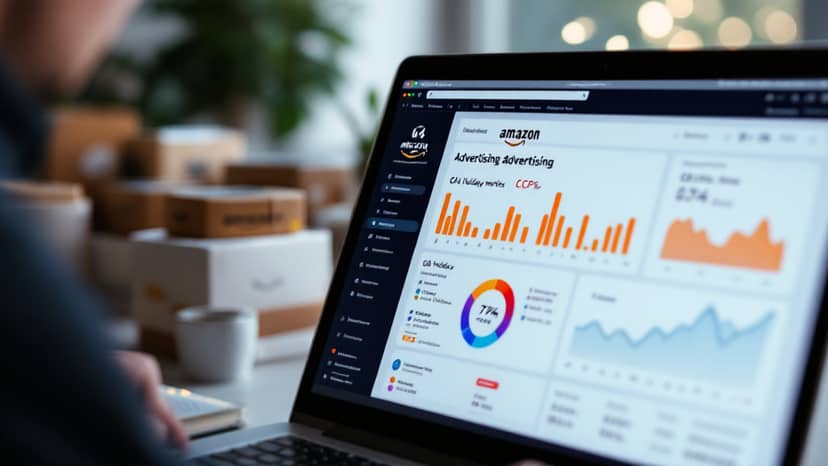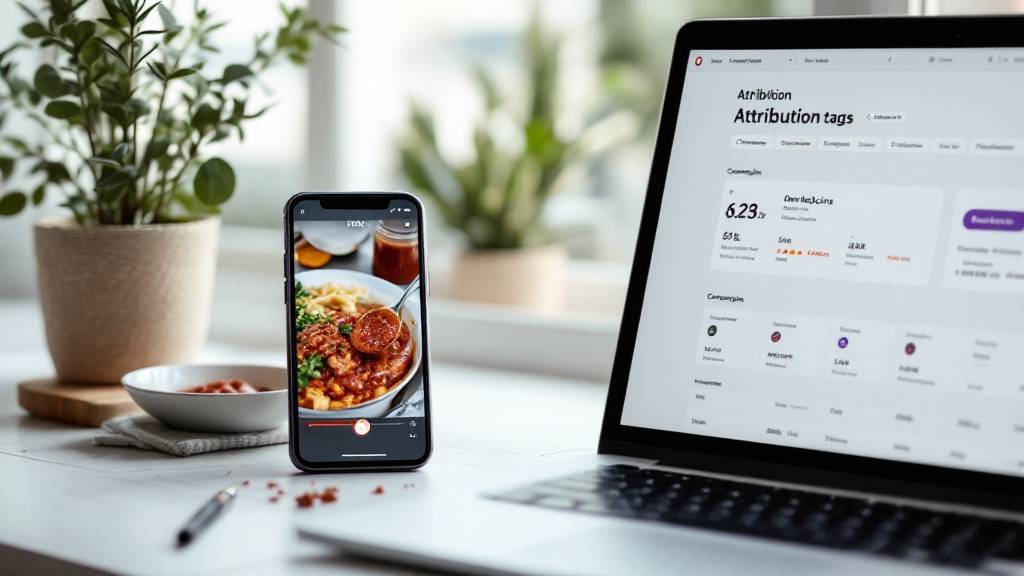
Amazon Attribution is a free advertising and analytics tool that shows the impact on Amazon of marketing you run elsewhere, including influencer and affiliate campaigns, according to Amazon's Amazon Attribution page. Amazon's guidance on the same Amazon Attribution product page says you generate tags for each marketing strategy, then place them across your search, social, display and video ads and your email marketing.
For a CPG brand paying food creators to put a product into everyday recipes, the useful question is narrower: how do you set up tags so each creator, recipe angle or audience shows up as its own line, and how does that view sit next to what TikTok Shop records for the same creators? The sections below walk through the setup, the reports, and the checks to run in your own account.
Who can use Amazon Attribution for creator traffic?
Amazon says on its Amazon Attribution product page that eligible vendors, sellers, registered brand owners and Kindle Direct Publishing authors who run sponsored ads and sell in the Amazon store can use it. The same Amazon Attribution page lists current availability for professional sellers enrolled in Amazon Brand Registry, vendors, Kindle Direct Publishing authors, and agencies whose clients sell on Amazon.
Confirm your Brand Registry enrollment and your sponsored ads activity before you brief a single creator. If the account is not eligible on launch day, sort that out first and push the content calendar back rather than run creators blind.
How should you structure tags for a creator program?
Amazon suggests on its Amazon Attribution page creating one tag per marketing tactic, such as a creative, a message or an audience group, so reporting splits metrics by tactic. Amazon's Amazon Attribution product page says metrics can be viewed by channel, publisher, order, line item, search keyword and product ASIN.
Decide the split before any content goes live. For a food or pantry brand, a workable structure looks like this:
- A tag per audience group if you brief creators toward different households or diets.
- A fixed naming pattern: creator handle, content angle, launch week. Keep a tag log your team updates every time a new creator joins.
Ask yourself this before you add more creators: can you name, today, which recipe angle produced your best converting tag? If not, tighten the tag structure before you scale the roster.
Does the attribution window fit how creator content performs?
Amazon says on its Amazon Attribution product page that reports use an attribution window of 14 days and include engagement metrics along with Amazon conversion metrics.
Check how long your creator content keeps pulling traffic in your own data. If a recipe video keeps sending shoppers past that window, treat the later sales as unmeasured rather than absent. Compare total Amazon sales for the weeks after a creator wave with a baseline period before it, and read that change next to the tagged conversions instead of relying on the tags alone.
Also watch the engagement metrics for each tag. If a tag shows strong clicks and weak conversions, check the listing, the price and the stock position before you judge the creator.
What do brand halo products tell you about a creator campaign?
Amazon's Amazon Attribution page describes a product report that covers promoted products, the ones you choose during setup, and brand halo products, meaning any other products from the same brand.
Pick the promoted product for each tag on purpose. If a creator cooks with your flagship sauce, set that ASIN as promoted and watch whether sister flavors or sizes show halo sales. If halo sales run large next to the promoted ASIN, ask whether the flagship listing is the right landing page, or whether shoppers are switching to a different size or bundle once they arrive.
Keep the cause question open when you read any lift. In one of our published case studies, a skincare brand rebuilt Amazon to convert first, then turned on TikTok creator seeding: During the TikTok creator seeding that followed, Amazon sessions rose 31%, a measured association rather than a proven cause. Treat your own halo and session numbers the same way, as something to test with holdout weeks or staggered launches, not as proof.
How does TikTok Shop credit the same creators?
TikTok Shop's affiliate link guide says creators can earn commission on links they generate for a maximum of 100 days. The TikTok Shop affiliate guide says commission is worked out from the product's price and the rate the seller sets. It also says affiliate links pay the same commission as Shoppable Videos and LIVEs, according to the TikTok Shop affiliate link guide.
Credit goes to the last product link a customer clicked before checking out, according to TikTok Shop's affiliate link guide. TikTok Shop's affiliate guide says commission is paid only after the seller fulfills the order. Creators earn only on the product connected to the affiliate link they shared, per the TikTok Shop affiliate guide. The same TikTok Shop guide says purchases through a creator's showcase link, or of a campaign product through a campaign link, also earn commission. Once a sale happens, TikTok Shop's affiliate guide says the Link Performance section shows gross merchandise value and items sold.
Audit which product each creator link points to. If a creator talks about your whole range but links one item, check whether the commission structure matches the product you actually want to move. Our page on the TikTok Shop agency for CPG brands covers the TikTok side of creator programs in more detail.
How do you read both reports without double counting?
Keep TikTok Shop sales and tagged Amazon sales in separate columns, and write each platform's window next to its numbers before anyone builds a blended total.
- Match Amazon Attribution tag names to creator handles in TikTok Shop so the same creator lines up across both reports.
- Look at weeks where one creator drove sales on both platforms, and read the overlap rather than adding the platform totals together.
- Check branded search keyword metrics in your tagged traffic during creator waves, then review how your Amazon PPC management bids on branded terms in those weeks.
- Ask whether your Amazon listing would convert a shopper who first saw the product in a recipe video. If the main image and title do not show the product in use, test that first.
What should you check before scaling creator spend?
- Is every live creator link tagged, and does the tag log match what is running?
- Which recipe angle sells best for you on Amazon?
- Are halo products picking up sales, and are they in stock to absorb them?
- Does each TikTok Shop affiliate link point to the product you want to grow?
- Do you have a baseline period to compare against, so you are not reading normal seasonality as creator lift?
If you cannot answer most of these from your own reports, pause new creator spend until you can.
When does a growth partner help with creator measurement?
A growth partner helps when tagging, landing pages, ad spend and creator commissions sit with different people and nobody owns the full read across Amazon and TikTok Shop. A strong Amazon agency for CPG brands should build the tag structure, keep listings ready to convert creator traffic, and report both platforms side by side. We buy inventory, contribute to ads, and operate your brand with Eleviam's internal agency arm as if it was our own.
Want to see exactly where your brand stands? Get the free CPG Amazon Benchmark Report and see your margins, ad costs, conversion, and fees benchmarked against the real state of Amazon in 2026.
Get the Benchmark Report →